Why We Will Never Plant Russian Olive Trees at Karma Ranch
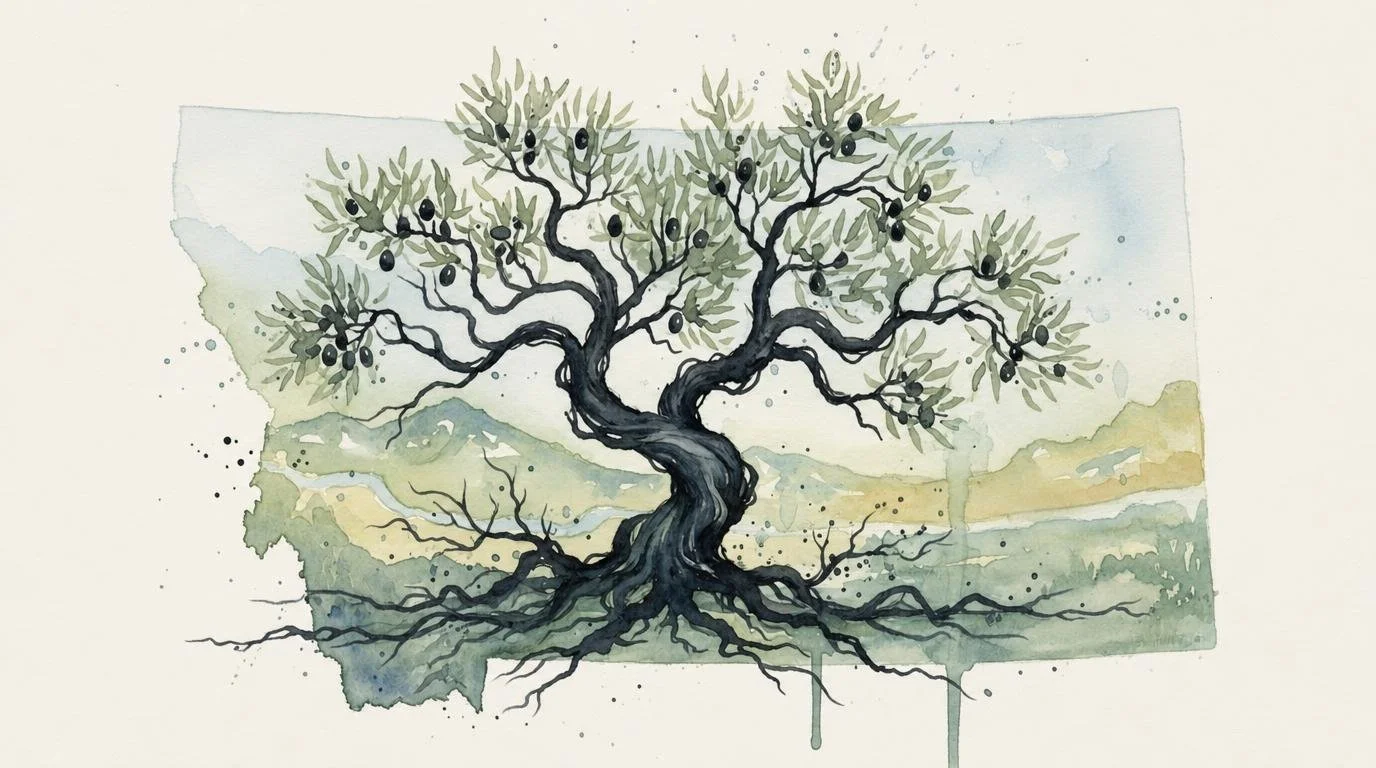
Designated as a Priority 3 Regulated Plant under Montana law, Russian olive isn't just an unsightly weed, it is a destructive water thief that aggressively chokes out native riverbanks, consumes hundreds of gallons of groundwater per day, and destroys fragile wildlife habitats. Planting or allowing this invasive species to spread threatens the future of Montana’s natural rangeland, depletes precious water tables, and starves native ecosystems. Choosing native trees over Russian olive is a critical choice for every landowner who wants to protect the future of Montana’s land, water, and wildlife.
When we set out to establish our permanent home in Montana, we knew that building a true sanctuary meant more than just putting up shelter structures and continuous steel pipe fences for our rescue animals; it meant taking full, active responsibility for the land beneath their hooves.
When managing land in the American West, every planting choice directly shapes the local ecosystem's future. With alkaline clay soils, harsh winds, and sparse rainfall, it can be tempting to look for fast-growing, hardy plants to quickly build shelterbelts and shade. The striking silver-green foliage of the Russian olive (Elaeagnus angustifolia) appears throughout the region, growing rapidly where native species struggle.
However, despite its adaptability to harsh conditions, we will never plant Russian olive trees at Karma Ranch Sanctuary.
This choice goes far beyond landscape aesthetics; it comes down to ecological stewardship, soil mechanics, water conservation, state law, and our fundamental responsibility as sanctuary caretakers.
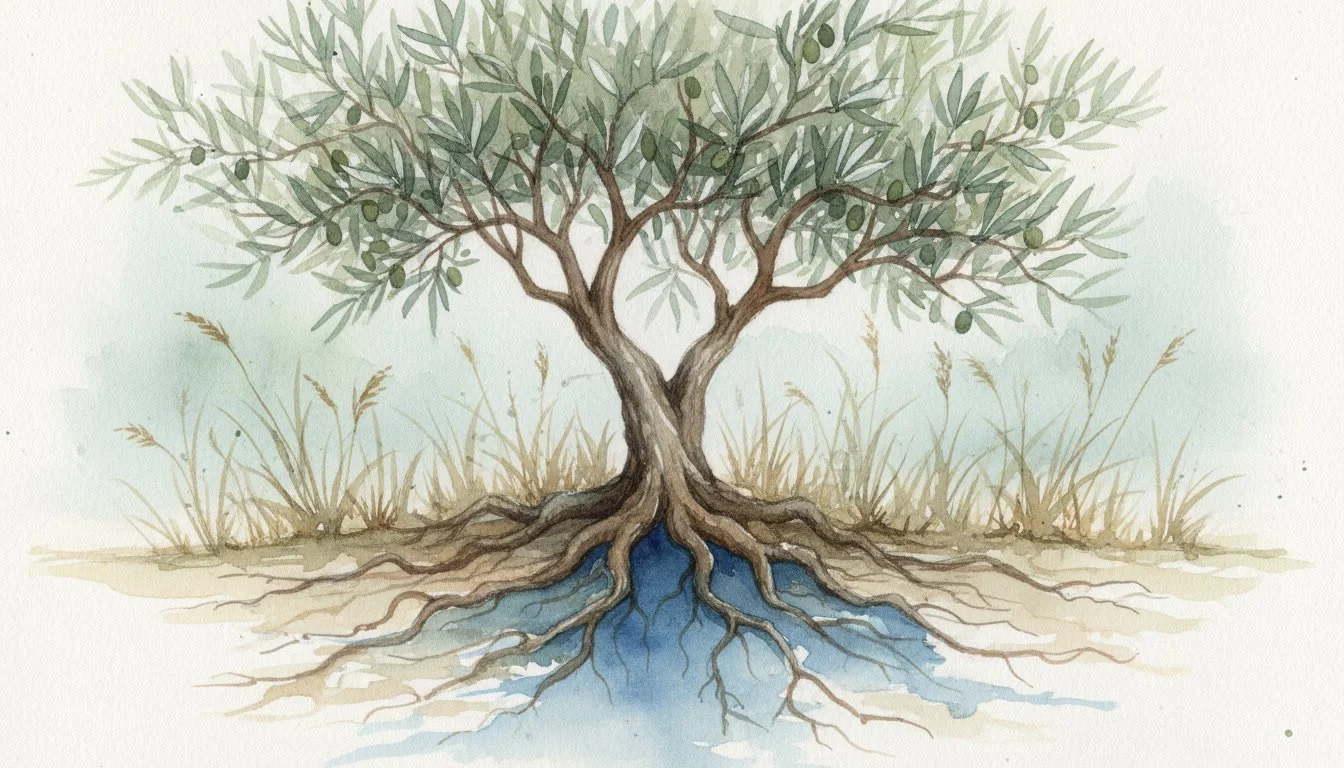
With deep reaching taproots and massive root systems, Russian olive trees act as aggressive water hogs that actively steal vital moisture from the surrounding earth. By monopolizing shallow groundwater and drawing down the local water table, a single tree can starve out adjacent native grasses, beneficial shrubs, and neighboring trees. This intense competition for water degrades local grazing land, dries up vital pasture soil, and leaves surrounding native flora unable to survive during central Montana's dry summer months.
The Paradox of the Soil: Why Russian Olives Would Thrive at Karma Ranch
To understand why Russian olives are so hazardous, it helps to understand why they thrive in challenging environments like ours. Heavy clay soil, elevated pH, and high sodium content create a hostile environment for many plant species. High salinity makes it difficult for roots to absorb water, while tight clay restricts root expansion and the movement of vital oxygen.
Russian olives evolved under similar harsh conditions in Eurasia, equipping them with traits that make them nearly indestructible in tough soils:
Nitrogen Fixation: Russian olives form symbiotic relationships with Frankia actinomycetes in their root nodules. This allows them to extract nitrogen directly from atmospheric nitrogen and convert it into usable soil nutrients, enabling them to flourish in nutrient-depleted soils without fertilizers.
Extreme Salt and Alkaline Tolerance: The tree withstands soil pH levels well above 8.0, high sodium loads, and severe drought conditions.
Aggressive Root Systems: The tree develops deep taproots that can reach 35 feet or more, along with extensive lateral roots, allowing it to tap deep groundwater reserves while drawing surface moisture away from native grasses.
Because Russian olives thrive in the exact conditions that challenge other plants, introducing them might seem like a quick way to establish shade, windbreaks, or cover at Karma Ranch. However, that high survival rate is precisely what makes them a massive ecological threat.
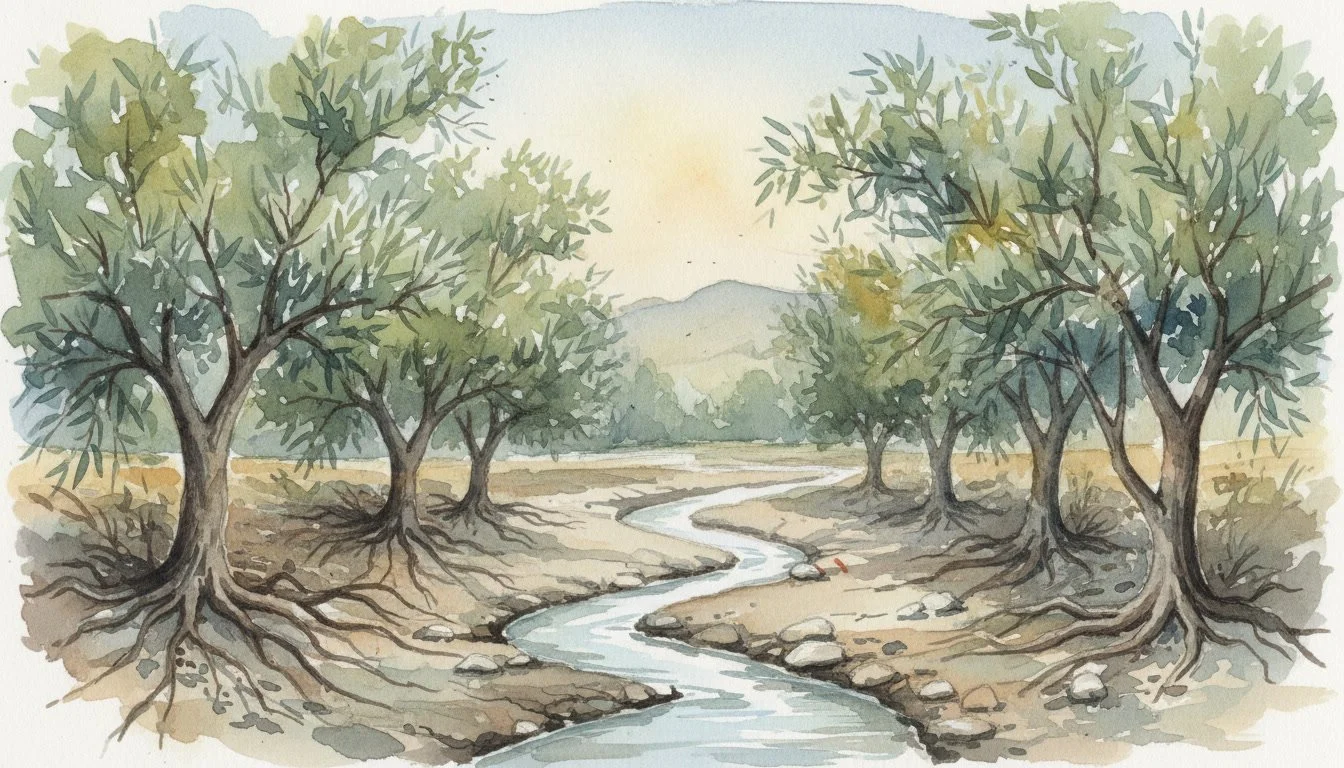
Russian olive trees (Elaeagnus angustifolia) acting as aggressive biological pumps along a drying creek bank in our area of Montana.
As facultative phreatophytes, their massive root systems reach deep into shallow aquifers and consume hundreds of gallons of water per day during peak growing season. By choking out native riparian corridors and pulling moisture directly from the local water table, dense stands of Russian olive actively accelerate stream drying, alter river hydrology, and deplete the precious, limited groundwater reserves that native pastures, livestock, and local wildlife rely on during dry summer months.
Water Scarcity & Riparian Destruction: Actively Contributing to Drought
To appreciate the gravity of planting an invasive tree along Western waterways, we have to zoom out to the global water crisis.
Less than 3% of Earth's water is freshwater, and less than 1% of the world's total water is accessible, potable freshwater for human consumption, agriculture, and livestock. In semi-arid regions like Montana, where annual precipitation is precious and unpredictable, every drop of groundwater matters.
Planting a species that actively depletes these limited water reserves is ecological malpractice. Russian olive is a facultative phreatophyte, a plant that sends roots deep into shallow aquifers and water tables to consume vast quantities of water.
Depleting Groundwater and Drying Up Streams
A single mature Russian olive can consume hundreds of gallons of water per day during the peak growing season. When millions of these trees invade riparian corridors, irrigation ditches, and natural drainage paths, they act as biological pumps, drastically lowering local water tables. They actively dry up shallow springs, sub-irrigation lines, and seasonal creeks that native pastures, livestock, and wildlife depend on during dry summer months.
Altering River Hydrology and Accelerating Flood Risk
Russian olives don't just consume water; they physically restructure riverbanks. As dense thickets choke out stream banks, their rigid roots catch sediment, narrow natural channels, and create artificial islands. This restricts normal water flow, raises water temperatures, degrades fish habitats, and significantly increases downstream flood risk during spring snowmelt.
Soil Chemistry Alteration
Although nitrogen-fixing plants are often considered beneficial, Russian olives unnaturally alter soil chemistry. When their leaves drop, they deposit heavy loads of nitrogen and dense tannins into the soil, altering the soil microbiome and creating localized conditions that actively suppress native grasses while favoring invasive weeds.
Wildlife Degradation
Though birds eat the tree's dry, mealy fruit, its overall nutritional value is far lower than native forage plants like Winterfat, Chokecherry, Western Serviceberry, or native prairie clovers. Furthermore, the sharp, thorny branches create dense, impenetrable thickets that block larger native wildlife, such as pronghorn and deer, from accessing natural travel corridors and water sources.

Under the Montana County Weed Control Act, Russian olive is officially designated as a Priority 3 Regulated Plant. By state mandate, it is illegal to intentionally sell, propagate, or spread this species anywhere in Montana. Yet enforcement and public awareness still lag, as recently as summer 2026, retail stores right in Great Falls were seen offering Russian olive saplings, and local landowners continue to plant them without realizing the long-term damage to shared groundwater and surrounding rangeland. Education is our most powerful tool to bridge the gap between state environmental law and everyday choices, helping property owners understand why protecting Montana's soil and water starts with keeping non-native regulated plants off our land.
The Legal Reality: Why It Is Classified as "Noxious" and Regulated in Montana
To understand why responsible land management strictly avoids this plant, it helps to examine its legal standing under state regulations.
In environmental law, plants are classified into distinct regulatory Tiers:
Invasive Species: An informal or ecological term for non-native organisms that spread unassisted and cause ecological or economic harm.
Noxious Weed / Regulated Plant: A legal designation established under state statutes (such as the Montana County Weed Control Act, MCA Title 7, Chapter 22, Part 21). Assigning this status indicates that the species poses a direct threat to agriculture, natural resources, or state ecosystems.
Under the official Montana Department of Agriculture Noxious Weed List, Russian olive (Elaeagnus angustifolia) is designated as a Priority 3 Regulated Plant.
"Priority 3 Regulated Plants are not listed as traditional county-enforced noxious weeds, but are legally regulated plants that have the potential to cause significant negative economic and ecological impacts. By state mandate, Priority 3 plants may not be intentionally sold, propagated, or intentionally spread in Montana."
— Montana Department of Agriculture / MSU Extension Invasive Plants Group
While state agricultural programs previously promoted Russian olives in the mid-20th century for conservation shelterbelts, decades of observation proved that their invasive habit along the Marias, Yellowstone, and Missouri River watersheds far outweighed their initial windbreak utility. Today, state agencies recommend education, prevention, and active control rather than cultivation.
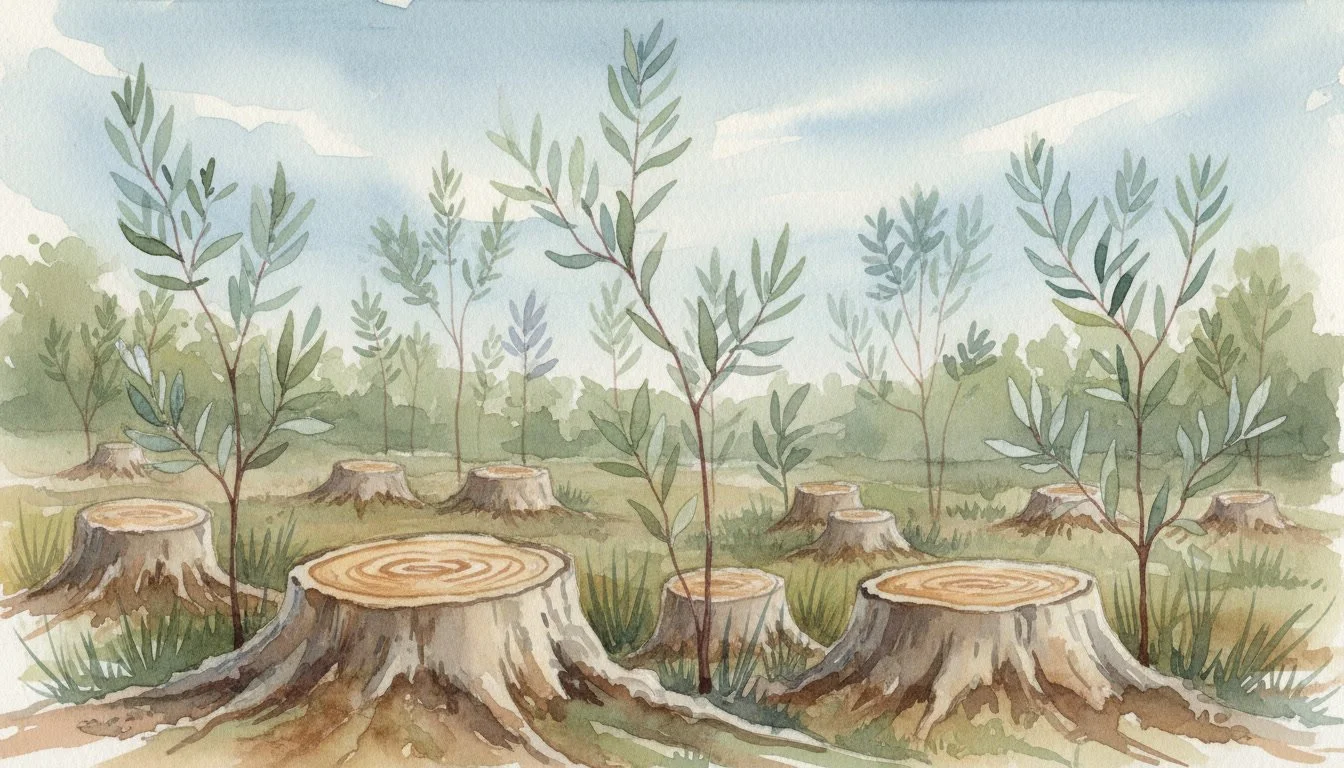
An invasive Russian olive (Elaeagnus angustifolia) stump surrounding itself with a dense ring of new, vigorous root sprouts after being cut down. Felling a Russian olive tree with a saw triggers an immediate survival response from its aggressive root collar, activating dormant buds that send up dozens of fast-growing, thorny root suckers. Within a single season, a single cut trunk transforms into an impenetrable thicket that is far harder to clear than the original tree. This intense resprouting habit is why simply cutting them down fails, requiring multi-step eradication protocols with systemic root treatments or heavy mechanical root excavation to protect native land across our area of Montana.
Landowner Responsibility: Stewardship Over Convenience
True land stewardship does not end at our fence lines. In Montana's high plains and river basins, property boundaries are artificial lines drawn across an interconnected natural ecosystem. Seeds, wind-borne pollen, avian wildlife, and subsurface groundwater move fluidly across property borders. When a landowner intentionally plants or allows a regulated, noxious plant like Russian olive to take hold, the ecological consequences immediately ripple out across the broader landscape, burdening neighbors, agricultural producers, and public land managers downstream.
Avian Seed Propagation & Downstream Colonization
Wildlife transport drives the aggressive spread of Russian olive across Western river systems. In late summer and autumn, mature trees produce thousands of hard, silver-mealy, drupe-like fruits. Although these fruits are less nutritious than native shrubs, birds including starlings, robins, cedar waxwings, and pheasants feed heavily on them during seasonal movements.
Long-Distance Vectoring: The seeds pass through avian digestive tracts intact and remain highly viable. Birds digest the outer flesh and deposit viable seeds along fence lines, utility wires, irrigation canals, and riparian corridors miles away from the parent tree.
Floodplain Colonization: Irrigation ditches and seasonal stream channels carry washed-off seeds directly downstream. A single ornamental or shelterbelt planting on one property can colonize miles of downstream banks, choking out native willow bars and cottonwood stands on neighboring ranches.
Extreme Eradication Mechanics & Economic Burden
Once Russian olive establishes a root footprint, eliminating it becomes an expensive, multi-year ordeal that demands significant labor and capital. The tree’s evolutionary defense mechanisms make simple mechanical clearing ineffective:
Vigorous Root-Crown Resprouting: Simply cutting down a mature Russian olive trunk with a chainsaw triggers a severe stress response. Dormant buds along the expansive root collar immediately activate, sending up dozens of rapid-growing, dense root suckers. Within a single season, a single cut stump becomes a dense, thorny thicket far harder to clear than the original trunk.
Multi-Step Chemical & Mechanical Protocols: Successful eradication requires specialized, high-cost methods:
Cut-Stump Application: Fell the trunk and immediately paint or spray concentrated systemic herbicides (such as triclopyr or glyphosate) onto the active vascular cambium layer within minutes of cutting.
Basal Bark Treatments: Applying oil-soluble systemic herbicide formulations directly to the lower 12 to 18 inches of intact bark on standing trunks under 6 inches in diameter during dormant seasons.
Heavy Mechanical Excavation: Using excavators, root plows, or other heavy machinery to rip out the entire root crown and lateral root mass, followed by years of spot-treating volunteer sprouts.
Financial Impact on Neighboring Ranches: When invasive stands spill across property lines, neighboring agricultural operations spend thousands of dollars in equipment fuel, specialized chemical controls, and manual labor to keep pastures clear and stock water ditches unblocked.
Respecting Native Rangelands & Long-Term Soil Health
Restoring degraded soil in high-pH, heavy clay environments like ours requires working with native plant succession rather than forcing short-term green cover with aggressive non-native species.
Preventing Soil Microbiome Disruption: Planting non-native nitrogen fixers like Russian olive unnaturally alters soil chemistry through heavy leaf-litter tannin drops, suppressing the soil mycorrhizal fungi that native bunchgrasses require.
Building Genuine Soil Structure: Native drought-tolerant species—such as Winterfat, Silver Buffaloberry, and native deep-rooted wheatgrasses—build long-term soil structure, hold soil moisture, and support local pollinators without threatening the surrounding watershed.
At Karma Ranch Sanctuary, choosing not to plant Russian olive is a deliberate commitment to protecting our wider Montana community, safeguarding shared water resources, and preserving native range habitat for generations to come.

Choosing to avoid or remove Russian olive doesn't mean sacrificing shade, shelter, or beauty on your land. Central Montana is home to an incredible variety of native trees that thrive in heavy, alkaline clay without destroying local ecosystems or depleting groundwater. From deep-rooted conifers like Ponderosa Pine and Limber Pine to high-value deciduous species like Netleaf Hackberry, American Plum, Douglas Hawthorn, Mountain Ash, and Chokecherry, the native options below provide powerful shelterbelts, rich wildlife habitat, and lasting canopy for your property.
Our Alternative Approach: Choosing Native Resilience
Instead of relying on invasive species for quick windbreaks or cover at Karma Ranch Sanctuary, we focus on establishing resilient native species. By choosing plants that have co-evolved with Montana’s high-pH clay soils, unpredictable precipitation, and harsh winter winds, we build a shelter and forage system that enriches the soil, feeds local wildlife, and protects our watershed without risking invasive escapes.
Because we operate an equine sanctuary, we evaluate every plant introduced to the property for horse safety, pasture integration, and perimeter placement.
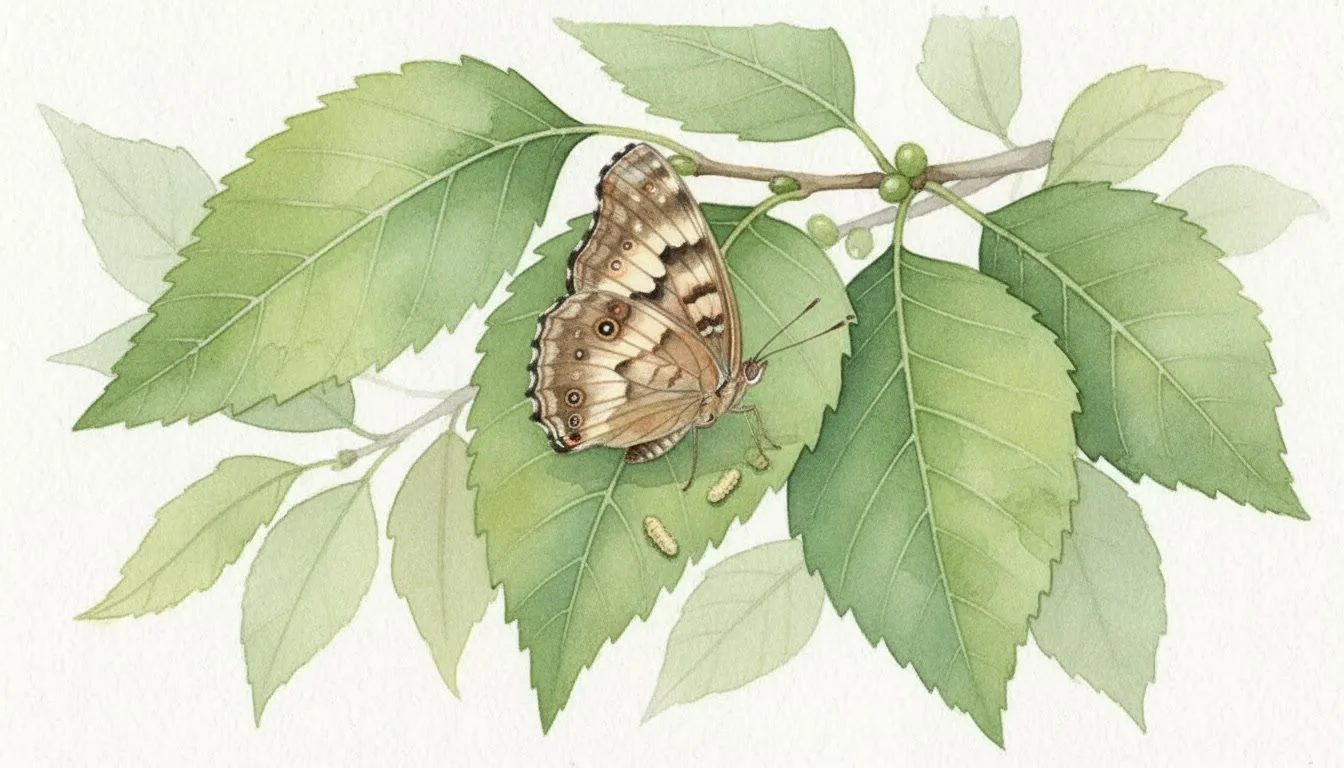
Netleaf Hackberry (Celtis reticulata) is a remarkably tough native tree in our area of Montana, deeply adapted to dry, rocky soils and alkaline ground. It serves as the primary host plant for the striking Tawny Emperor butterfly (Asterocampa clyton), which lays its eggs directly on the undersides of the rough, netted leaves. As the caterpillars hatch and feed on the foliage, they create a crucial food source for nesting songbirds, while the tree's persistent, sweet berries provide vital late-season nourishment for local wildlife.
Netleaf Hackberry (Celtis reticulata)
Netleaf Hackberry is an exceptionally rugged, drought-hardy native tree known for its rough, corky bark and thick, deeply veined leaves. It forms a sturdy, shade-producing canopy along dry draws, rocky hillsides, and river benches across our region.
Equine Safety & Placement Strategy: Netleaf Hackberry is completely non-toxic to horses. The leaves, bark, and berries pose no chemical hazard. However, because young saplings have palatable green shoots that horses may browse heavily or rub against before roots fully establish, we plant Netleaf Hackberry along our secondary shelterbelts, perimeter timber lines, and dry drainage draws—and protect young trees near pasture fence lines with temporary wire cages.
Soil Mechanics & Site Suitability: Netleaf Hackberry is exceptionally well-suited to heavy, alkaline clay soils, dry rocky benches, and high-pH sites. Its deep, wide-spreading root system penetrates compact clay layers, anchoring the tree against intense prairie winds while stabilizing dry banks against water erosion without requiring supplemental irrigation once established.
Pollinator & Insect Benefits: Netleaf Hackberry is an indispensable larval host plant in our area of Montana. It serves as the primary host for the Hackberry Emperor butterfly (Asterocampa celtis) and Tawny Emperor butterfly (Asterocampa clyton), as well as several native sphinx moths. The abundant caterpillars provide essential, high-protein food for parent songbirds foraging for spring hatchlings across our local prairie and river corridors.
Bird & Wildlife Benefits: In late summer and fall, Netleaf Hackberry produces small, sweet, reddish-orange berries (drupes) that cling to the branches well into winter. These energy-dense berries are a winter food staple for resident songbirds near Great Falls, including Townsend’s Solitaires, Cedar Waxwings, American Robins, Northern Flickers, and Mountain Bluebirds. Upland game birds like Sharp-tailed Grouse and small native mammals feed on fallen fruit, while the dense, rigid branch structure offers secure nesting sites and shelter from severe winter winds.
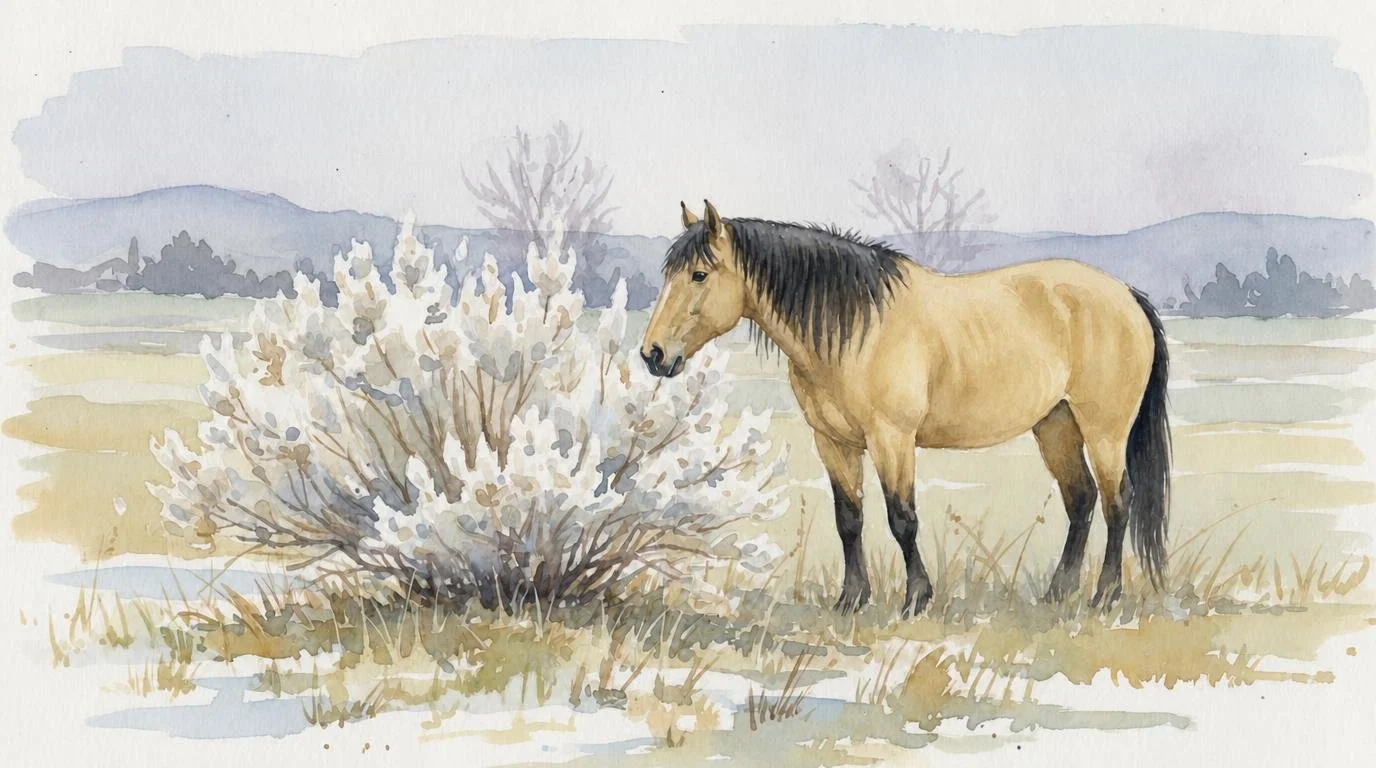
Winterfat (Krascheninnikovia lanata) is easily one of the most exciting native species we are establishing across Karma Ranch Sanctuary. Renowned for its incredible cold-weather forage value, winterfat retains an impressive 10% to 14% crude protein content through late fall and winter, a time when most other dormant prairie grasses drop below critical nutritional levels. Its soft, woolly foliage remains exceptionally palatable to horses through sub-zero cold snaps, protruding above deep snow to offer a natural, nutrient-dense winter grazing option. And for any selective horses that pass it up, local pronghorn, mule deer, and wintering birds eagerly forage on its energy-rich seeds and stems. Having already planted four healthy winterfat shrubs on the property, we are putting down a generous amount of seed this winter to watch it expand across our acreage. Winterfat isn't just a blessing for local wildlife, it represents a self-sustaining, native staple for the future of our horse rescue.
Winterfat (Krascheninnikovia lanata)
Winterfat is one of the most valuable native shrubs on the Western rangeland. Renowned for its exceptional protein content during the cold winter months, when most herbaceous plants go dormant, it provides crucial winter forage for native ungulates like pronghorn and mule deer.
Equine Safety & Pasture Benefits: Winterfat is completely non-toxic and highly safe for horses. Historically valued as prime winter grazing for livestock, it provides a natural, protein-rich forage option. It can be safely incorporated into paddock-track systems and native grazing pastures to support healthy seasonal foraging.
Soil & Site Suitability: Winterfat is extraordinarily hardy in high-pH, saline, and sodic heavy clay soils where other plants struggle to anchor. Its deep taproot system lets it withstand severe drought and resist heavy wind erosion, making it an ideal candidate for soil stabilization and native range restoration across our acreage.
Pollinator & Insect Benefits: It is wind-pollinated, but its dense, woolly structure offers overwintering shelter for beneficial insects, predatory spiders, and ladybugs.
Bird & Wildlife Benefits: Renowned for its exceptional crude protein content during winter when grasses go dormant. It is critical winter survival forage for pronghorn, mule deer, and elk. Small mammals and songbirds feed heavily on its fluffy, nutritious seeds.
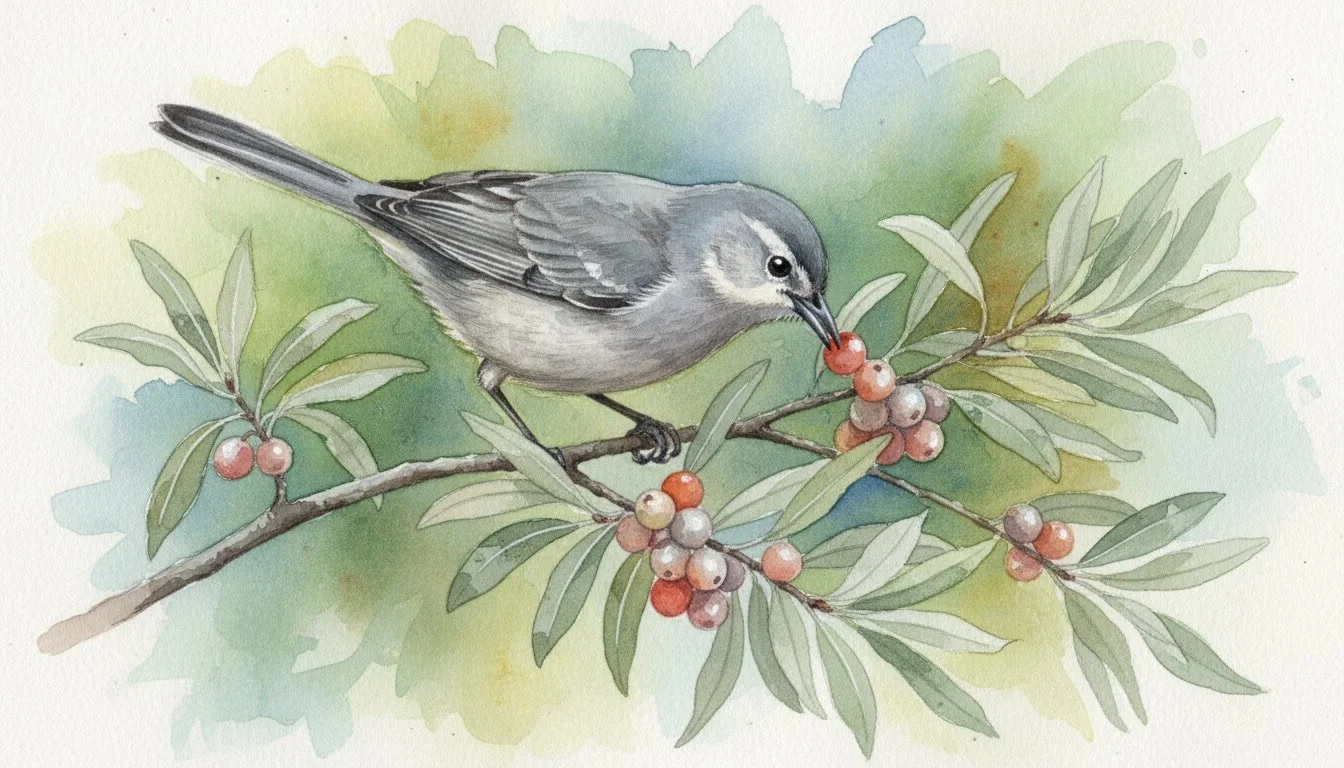
Gray Catbirds (Dumetella carolinensis) are lively, fruit-loving songbirds frequently found nesting in thick brush across our area of Montana. Silver Buffaloberry (Shepherdia argentea) provides an essential late-summer feast for these birds as its dense branches heavy with tart, bright-red berries ripen. Catbirds rely heavily on these nutrient-rich berries to fuel up for their long autumn migration south, while the shrub's thorny, dense growth gives them an impenetrable refuge to forage safely away from local predators.
Silver Buffaloberry (Shepherdia argentea)
For those seeking the striking silver-green foliage and shelterbelt density of a Russian olive without the invasive consequences, Silver Buffaloberry is the ideal native alternative. This deciduous shrub forms dense, protective thickets that serve as excellent natural windbreaks and visual barriers along ranch borders.
Equine Safety & Placement Strategy: Silver Buffaloberry is non-toxic to horses, but its branch tips feature sharp, natural thorns. To protect horses from eye or skin scrapes during play or herd movement, we plant Silver Buffaloberry strictly along outer perimeter boundary lines, exterior shelterbelts, and wildlife travel corridors—keeping it outside active horse turnouts and paddock fences.
Ecological & Soil Benefits: Like the Russian olive, Silver Buffaloberry is a native actinorhizal nitrogen-fixer, meaning it improves surrounding soil fertility naturally without disrupting the local soil microbiome or dropping high-tannin leaf litter. It thrives in drought-prone, alkaline clay soils, and its late-summer bright red berries provide a rich, non-invasive food source for native songbirds and small mammals.
Pollinator & Insect Benefits: Small yellow spring flowers provide early nectar for native bees and flies. It serves as a larval host plant for native moth species.
Bird & Wildlife Benefits: Produces prolific tart red berries in late summer that remain on the branches into winter. These berries are a staple for sharp-tailed grouse, pheasants, catbirds, and robins. The thorny branching creates predator-proof nesting cover for songbirds and thermal shelter for deer.
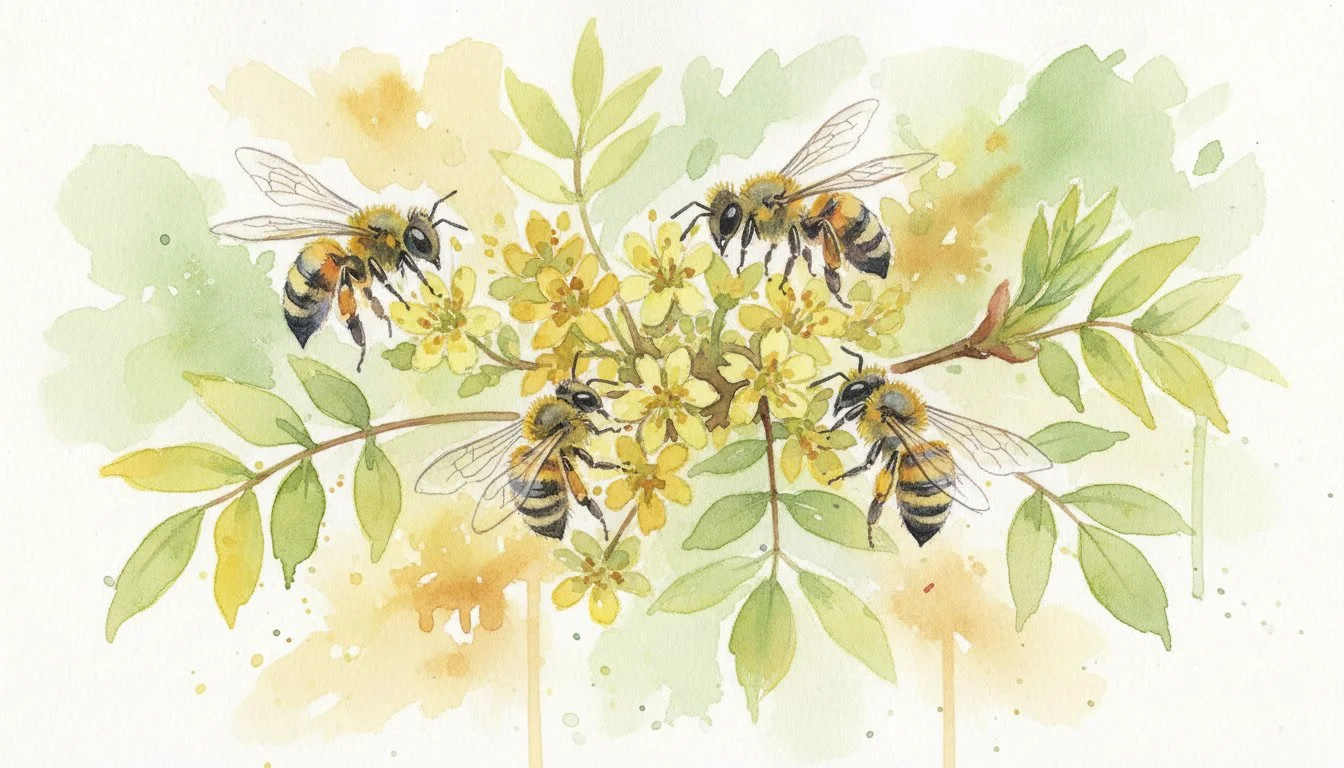
Skunkbush Sumac (Rhus trilobata), often grown in low-spreading forms like 'Gro-Low') is an invaluable native shrub for central Montana's wild pollinators. Blooming early in the spring before many other forage options are available, its dense, yellow flower clusters offer an essential initial nectar and pollen supply for early emerging native bees. At Karma Ranch Sanctuary, these blooms provide vital spring sustenance for wild native species like Scolia wasps, Mining bees (Andrena species), and Mason bees (Osmia species). As these industrious, non-aggressive solitary bees gather sumac pollen to stock their ground nests and hollow plant stems, they initiate the essential pollination cycle across our pastures, while the shrub later produces tart, red berries that sustain local songbirds through late summer.
Skunkbrush Sumac / Gro-Low Sumac (Rhus trilobata)
Skunkbrush sumac is an exceptionally tough, multi-stemmed native shrub that forms low, dense shelterbelts and living snow fences across open terrain. Its early spring blooms provide an essential early-season nectar source for native pollinators, while its dense branching structure offers crucial nesting and thermal cover for ground-nesting birds and small wildlife.
Equine Safety & Placement Strategy: Skunkbrush sumac (Rhus trilobata) is non-toxic to horses (unlike white-berried poison sumac, Toxicodendron vernix). While non-toxic, its tart, pungent berries and dense woody stems are not a primary pasture forage for horses. We utilize sumac primarily in exterior windbreaks and perimeter soil-stabilization zones set back from main pasture fence lines.
Soil & Site Suitability: Featuring an extensive, fibrous root network, Skunkbrush sumac binds tight clay soils on exposed slopes, preventing water runoff and wind erosion. It is highly drought-tolerant, withstands extreme winter temperature swings, and adapts effortlessly to lean, alkaline soil conditions across the Montana landscape.
Pollinator & Insect Benefits: Clusters of small yellow spring blooms provide an indispensable early-season nectar and pollen source for native bees and butterflies.
Bird & Wildlife Benefits: Produces dark red, hairy berries in summer that persist into winter. Over 30 bird species eat these berries, including grouse, quail, bluebirds, and towhees. Its dense, sprawling growth provides essential low-level hiding cover for small mammals and ground-nesting prairie birds.
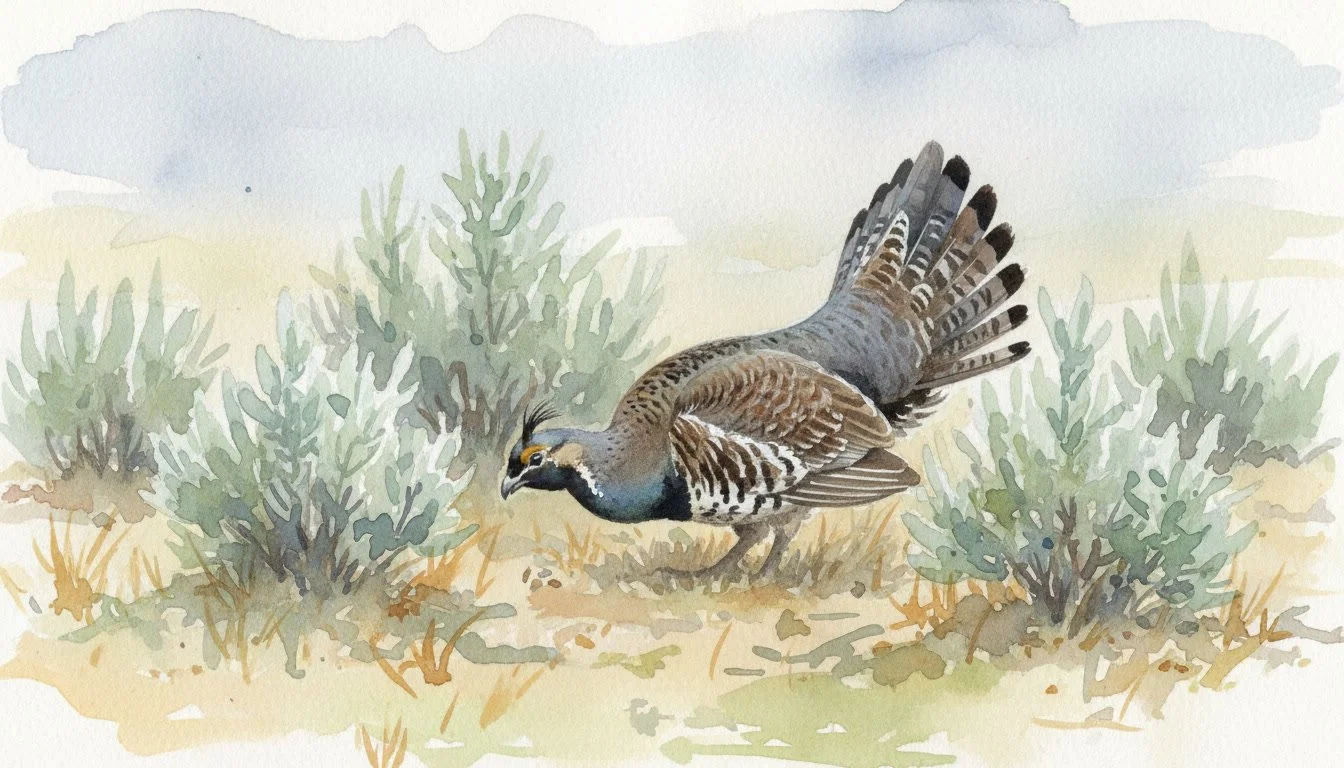
Silver Sagebrush (Artemisia cana) is a foundational native shrub across central Montana's high plains, uniquely adapted to resprout naturally after fires or heavy browsing. It provides a year-round lifeline for the Greater Sage-Grouse (Centrocercus urophasianus), a iconic prairie bird species that relies almost exclusively on sagebrush foliage for winter survival and spring nesting cover. During harsh winter months when snow buries lower vegetation, sage-grouse depend on the exposed, aromatic silver leaves of Silver Sagebrush as their primary, nutrient-dense food source, making its restoration essential for protecting these declining birds and preserving our native rangeland ecosystem.
Silver Sagebrush (Artemisia cana)
Unlike Big Sagebrush, Silver Sagebrush (Artemisia cana) is especially well adapted to alluvial flats, clay soils, and riparian margins. It has beautiful, luminous silver foliage that complements our landscape while providing year-round thermal cover and vital winter forage for native wildlife like pronghorn, mule deer, and sage-grouse.
Equine Safety & Pasture Management: Silver Sagebrush contains volatile essential oils (terpenes) that make it unpalatable to horses. While horses naturally avoid grazing sagebrush because of its strong aromatic scent and bitter taste, we do ’t plant it directly in horse turnout paddocks or high-traffic pastures. Instead, we establish Silver Sagebrush in dedicated wildlife corridors, outer buffer zones, and open rangeland parcels set back from our equine fencing.
Soil & Site Suitability: Unlike Big Sagebrush, Silver Sagebrush sprouts vigorously from root suckers and rhizomes, making it exceptional for stabilizing heavy clay soils and riparian stream banks against erosion. It thrives in seasonally wet or dry clay soils, tolerates high alkalinity, and naturally recovers following drought or disturbance.
Pollinator & Insect Benefits: Hosts native sagebrush-dependent insects, including specialized gall midges, grasshoppers, and butterflies like the Sagebrush Checkerspot.
Bird & Wildlife Benefits: A critical habitat plant for high-plains wildlife. It provides vital year-round foliage and seed forage for sage-grouse, sharp-tailed grouse, pronghorn, and jackrabbits. Its aromatic foliage offers thermal shelter against freezing winter winds.

The Red-breasted Nuthatch (Sitta canadensis) is a agile, tree-clambering songbird frequently seen foraging through the conifers in our area of Montana. Limber Pine (Pinus flexilis) provides an essential winter food source for these industrious birds, producing large, high-fat seeds packed within its pine cones. Red-breasted Nuthatches pry the wingless seeds from the cones and often cache them beneath thick bark for later use, relying on these nutrient-dense pine nuts to sustain their high energy needs during sub-zero high-plains cold snaps.
Limber Pine (Pinus flexilis)
Limber Pine is an exceptionally tough, long-lived native conifer that thrives on exposed, wind-swept ridges, limestone bluffs, and dry clay benches where few other trees can anchor. Named for its incredibly flexible branches that bend without breaking under heavy snow loads and gale-force prairie winds, it provides vital year-round evergreen shelter.
Equine Safety & Placement Strategy: Pine needles contain natural resins and organic acids (including isocupressic acid) that can cause digestive upset or abortion risks in pregnant stock if ingested in volume. While horses naturally avoid pine needles when quality pasture and hay are available, safety is paramount at Karma Ranch Sanctuary. We plant Limber Pines only along our outermost property boundaries, in deep windbreak rows, and in non-grazing timber buffer zones well away from active horse turnout paddocks and fencing.
Soil Mechanics & Site Suitability: Exceptionally drought-tolerant and adapted to high-pH, alkaline clay soils and rocky hardpan. Its deep, wide-spreading root system anchors firmly against intense prairie winds and requires no supplemental irrigation once established.
Pollinator & Insect Benefits: Serves as a native host for high-plains bark beetles, native moths, and specialized pine insects that form a crucial insectivorous food base for foraging birds in central Montana.
Bird & Wildlife Benefits: Limber Pine produces large, wingless, high-fat seeds that are an essential autumn and winter food source for Clark’s Nutcrackers, Red-breasted Nuthatches, Mountain Chickadees, and pine squirrels. The heavy evergreen canopy offers thermal cover and wind protection for mule deer, pronghorn, and wintering songbirds during Arctic cold snaps.
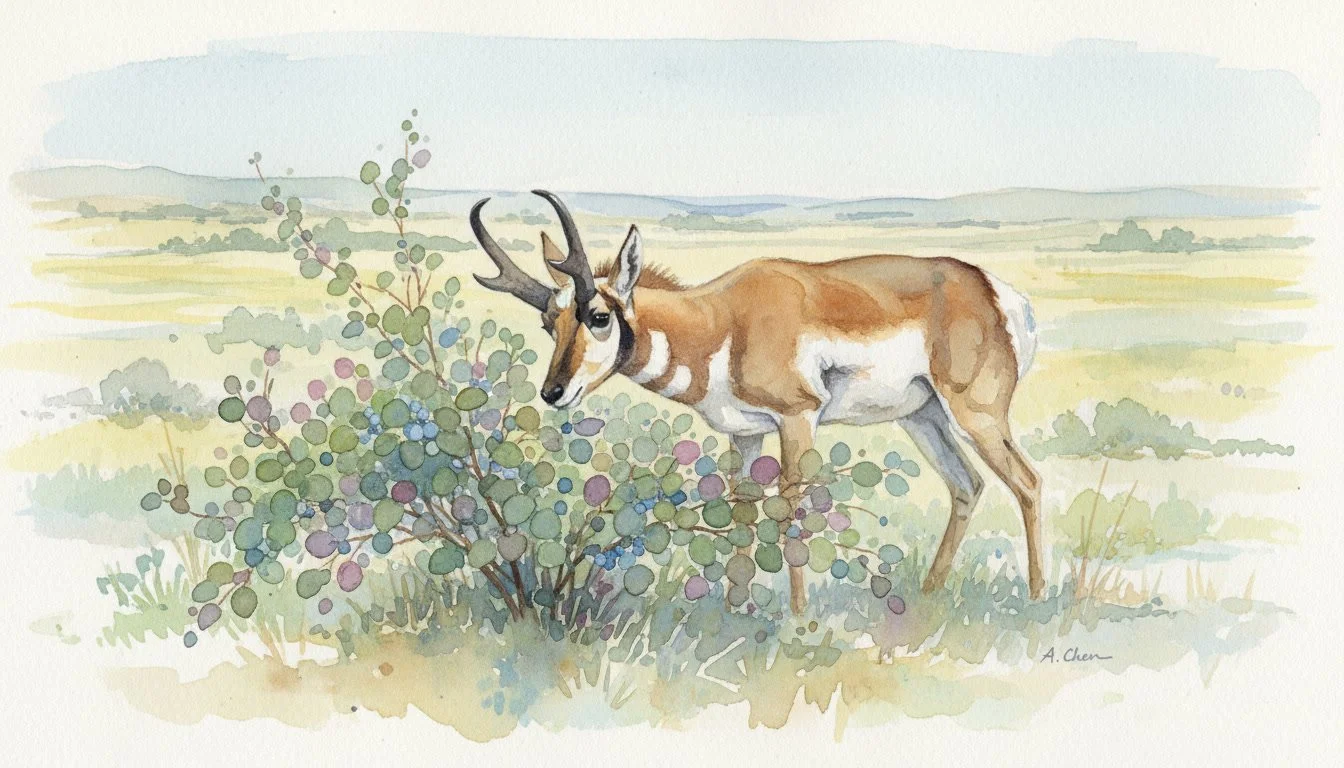
Saskatoon Serviceberry (Amelanchier alnifolia) is a favorite native browse for Pronghorn Antelope (Antilocapra americana), which are frequently spotted sweeping across the open prairies in our area of Montana. By establishing Serviceberry across Karma Ranch Sanctuary, we hope to attract more of these iconic, fast-footed native ungulates to our property, offering them a sweet, nutrient-dense foliage source alongside late-summer berries that feed over 40 species of native songbirds.
Western / Saskatoon Serviceberry (Amelanchier alnifolia)
Saskatoon Serviceberry is a cornerstone native shrub across Western landscapes. Producing sweet, nutrient-dense dark purple berries in summer, it serves as a high-value food source for birds, pollinators, and native wildlife while offering excellent multi-stemmed screening along windbreaks.
Equine Safety & Pasture Benefits: Saskatoon Serviceberry is non-toxic to horses. The berries and leaves are palatable and safe. We plant Serviceberry along shelterbelts and secondary windbreak lines set slightly back from main turnout fences to protect young growth from heavy over-browsing while keeping the fruit accessible as a natural treat.
Soil & Site Suitability: Exceptionally hardy in Zone 4 clay soils, Serviceberry features a deep, stabilizing root system that tolerates high soil alkalinity and dry summers once established.
Pollinator & Insect Benefits: Early spring blooms attract dozens of native bee species, syrphid flies, and early-season pollinators. It hosts caterpillars for the Western Tiger Swallowtail butterfly.
Bird & Wildlife Benefits: Serviceberry is one of North America's highest-rated wildlife shrubs. Over 40 bird species—including grosbeaks, waxwings, bluebirds, and thrushes—gorge on the summer berries. Mammals such as mule deer and pronghorn browse the leaves, while ground game birds seek thermal shelter beneath its canopy.

Rubber Rabbitbrush (Ericameria nauseosa) is one of the most vital late-season resources for pollinators in our area of Montana. Blooming in late summer and autumn when most other prairie wildflowers have dried up, its vibrant golden blossoms offer a massive, high-energy feast of nectar and pollen. This late-season bloom is a crucial lifeline for migrating Monarch butterflies (Danaus plexippus), refueling them with the vital calories they need to power their long journey south before winter sets in.
Rubber Rabbitbrush (Ericameria nauseosa)
Rubber Rabbitbrush is a resilient native shrub that bursts into vibrant golden blooms in late summer and fall, offering one of the last major nectar sources for native pollinators before winter sets in.
Equine Safety & Pasture Management: Rubber Rabbitbrush is not considered pasture forage for horses and can cause mild gastrointestinal upset if horses ingest significant amounts. Because of its bitter taste, horses generally ignore it when suitable pasture grasses and hay are available. Out of an abundance of caution, we establish Rubber Rabbitbrush strictly in designated pollinator strips, outer property buffers, and dryland restoration plots outside our horse fencing.
Soil & Site Suitability: Rubber Rabbitbrush thrives in lean, alkaline, heavy clay soils and disturbed ground where few other plants take root. Its deep root structure stabilizes loose soil and clay banks against wind and water erosion and requires no supplemental irrigation once established.
Pollinator & Insect Benefits: Rubber Rabbitbrush is one of the single most important late-season pollinator plants in the West. When most plants have dried up, its fall flowers offer a final feast of nectar and pollen for migrating monarch butterflies, native bees, painted ladies, and beneficial predatory wasps.
Bird & Wildlife Benefits: Native sparrows, finches, and small rodents eat seeds during winter. The dense shrub structure provides cover for jackrabbits, cottontails, and game birds.
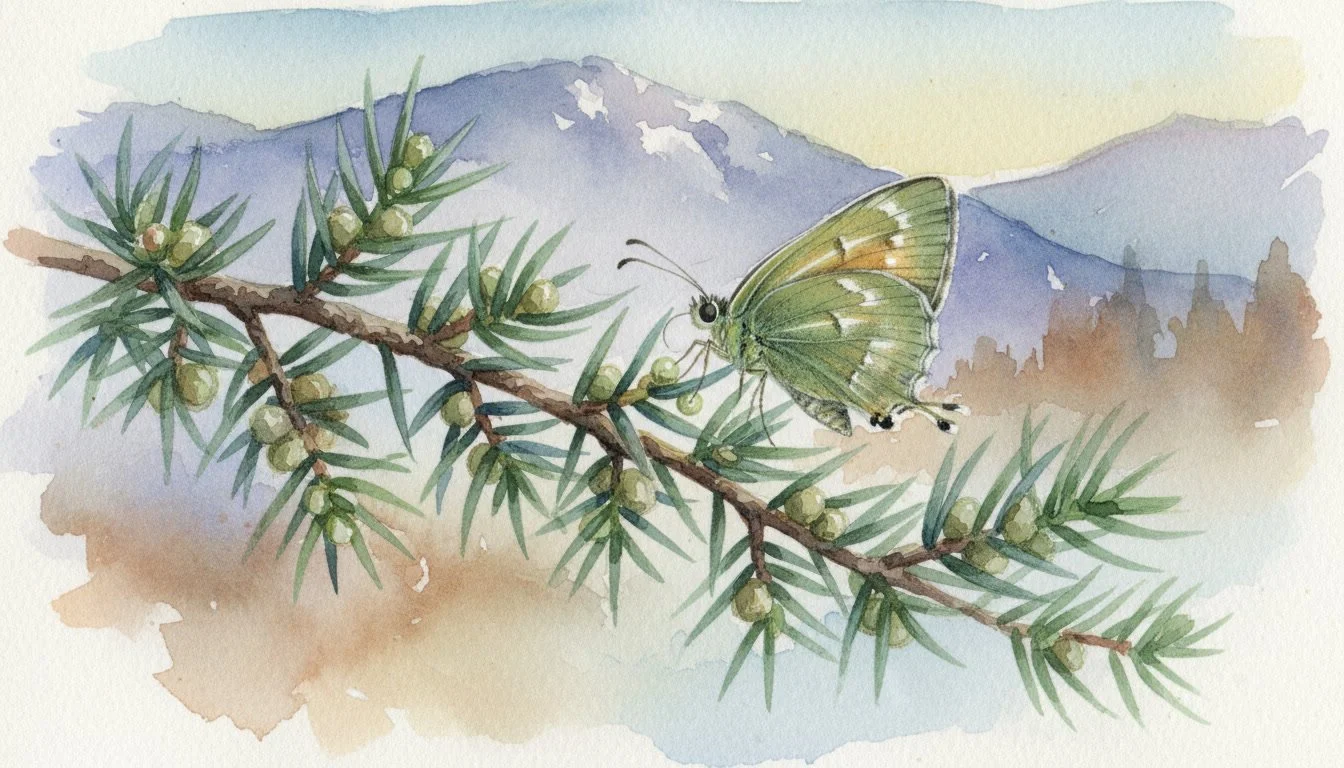
Medora Rocky Mountain Juniper (Juniperus scopulorum 'Medora') plays a vital ecological role in our area of Montana as the exclusive host plant for the Olive Hairstreak butterfly (Callophrys gryneus). The female butterflies lay their eggs on the dense evergreen foliage, providing a nursery for caterpillars that blend seamlessly into the blue-green needles. Beyond serving as an essential pollinator host, the thick, columnar branches offer insulated shelter for wintering songbirds, while its persistent bluish berries supply high-energy food during harsh cold snaps.
Medora Rocky Mountain Juniper (Juniperus scopulorum 'Medora')
For tall, dense, year-round evergreen windbreaks and privacy screens, the Medora Rocky Mountain Juniper is a standout native cultivar. With a tight, narrow columnar habit and blue-green foliage, it needs no pruning to maintain its form and handles sub-zero winter temperatures and fierce prairie winds effortlessly.
Equine Safety & Placement Strategy: Junipers are unpalatable to horses and contain volatile oils that can cause digestive upset if consumed in significant quantities. Horses naturally avoid juniper due to its strong aromatic scent and prickly foliage. We plant Medora Junipers strictly along our outer windbreaks, shelterbelt rows, and property perimeters, well outside active turnout paddocks, where they create a dense evergreen barrier against winter winds.
Soil & Site Suitability: Extremely drought-tolerant and adapted to high-pH alkaline clay soils, Medora Juniper thrives in full sun and handles high-wind exposure without breaking or wind-burning.
Pollinator & Insect Benefits: Serves as a primary host plant for the Olive Hairstreak butterfly (Callophrys gryneus), whose larvae feed exclusively on juniper foliage.
Bird & Wildlife Benefits: Female junipers produce bluish, berry-like cones that are a vital winter staple for Townsend’s solitaires, cedar waxwings, robins, and evening grosbeaks. The dense evergreen branching creates impenetrable winter wind shelter for songbirds and small mammals during Arctic cold snaps.
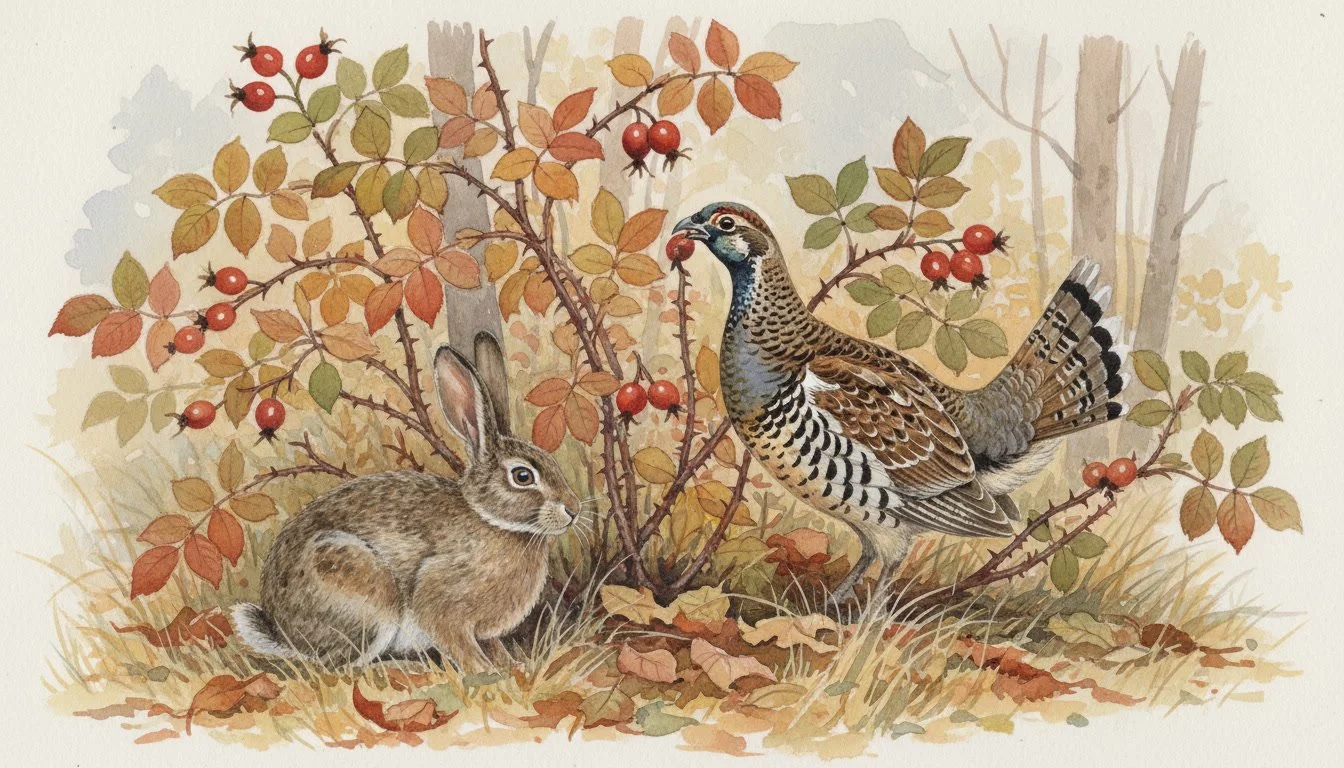
Woods' Rose (Rosa woodsii) is a powerhouse native shrub in our area of Montana, providing both high-value winter nutrition and vital habitat cover. Its persistent, red rose hips offer a critical, vitamin-rich food source for Sharp-tailed Grouse when deep snow buries herbaceous prairie plants. At the same time, the dense, thorny branching structure creates an impenetrable ground-level sanctuary for cottontail rabbits and small wildlife, offering immediate protection and escape cover from soaring aerial predators.
Woods' Rose (Rosa woodsii)
Woods' Rose is a hardy, native wild rose that spreads via underground rhizomes to form protective, erosion-controlling thickets. In spring and summer, it displays fragrant pink blossoms that attract native pollinators, followed by bright red rose hips that persist through winter.
Equine Safety & Pasture Benefits: Woods' Rose hips are a rich, highly beneficial source of natural Vitamin C, bioflavonoids, and antioxidants for horses. Rose hips support immune function, joint health, and hoof integrity. While the rose hips are fantastic for equine health, the stems feature small natural prickles. We establish Woods' Rose thickets along outer pasture borders and wildlife corridors, harvest ripe hips in fall to supplement our horses' rations, and let the thicket serve as a natural barrier against wind and erosion.
Soil & Site Suitability: Highly adaptable to heavy clay soils, dry banks, and riparian margins, Woods' Rose stabilizes loose soil, tolerates high alkalinity, and recovers rapidly following dry spells.
Pollinator & Insect Benefits: The Woods Rose's pollen-rich flowers attract native bees, sweat bees, and honeybees during peak summer bloom.
Bird & Wildlife Benefits: Persistent red rose hips provide a lifeline winter food source for resident birds like quail, sharp-tailed grouse, pheasants, and winter songbirds when snow covers the ground. Dense thorny thickets offer secure escape cover from aerial predators for small mammals and songbirds.
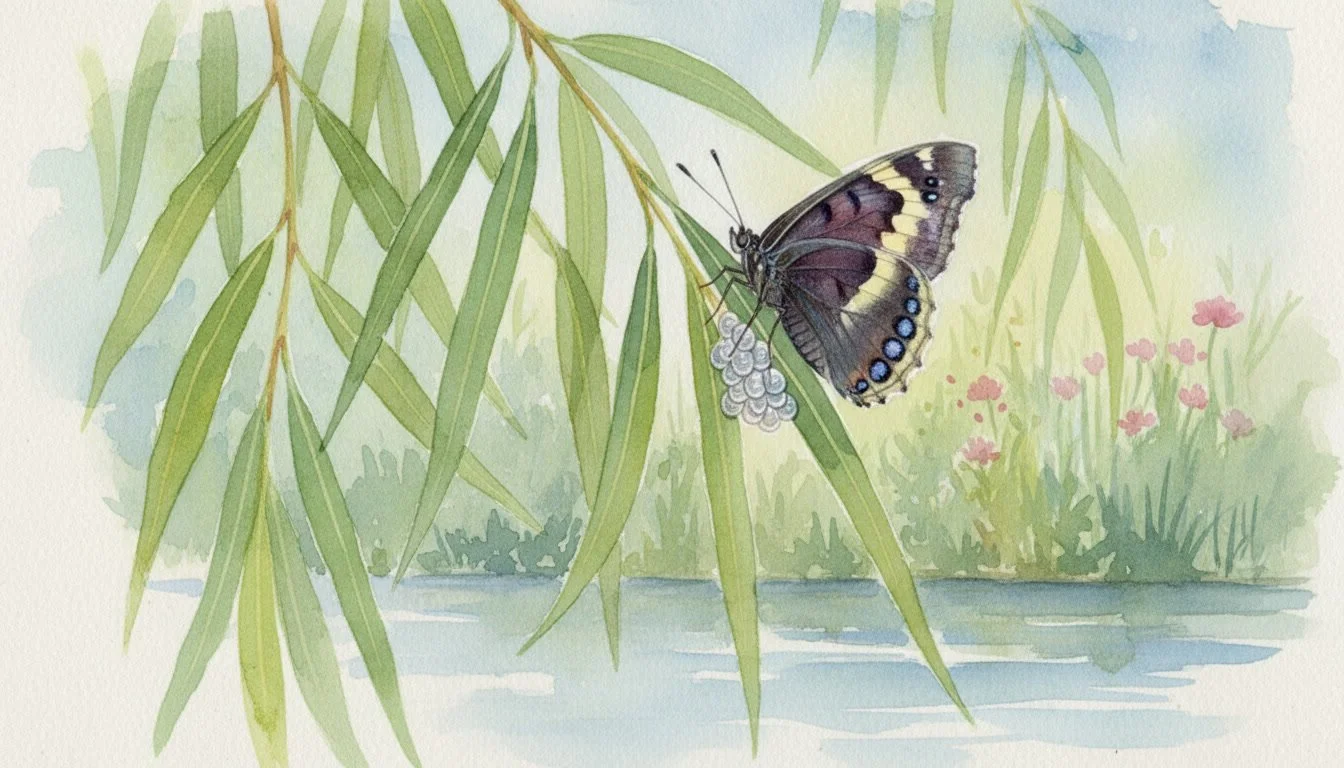
The Mourning Cloak butterfly (Nymphalis antiopa) is one of the earliest butterflies to emerge in our area of Montana each spring, waking from winter hibernation to lay its eggs on native willows. Coyote Willow (Salix interior) serves as an essential host plant for these striking, dark-winged pollinators. Its slender, silver-green leaves feed the emerging caterpillars, which in turn form a vital caterpillar food base that local songbirds depend on to raise their spring hatchlings. By planting Coyote Willow, we are establishing a natural "living soil sponge" across our horse sanctuary while restoring a foundational food web for central Montana wildlife.
Coyote Willow / Narrowleaf Willow (Salix interior / Salix exigua)
Coyote Willow is a fast-growing, thicket-forming native shrub willow featuring slender, silver-green leaves and an aggressive, spreading root system. It thrives in seasonally wet draws, ditch margins, and low-lying clay flats across our region.
Equine Safety & Placement Strategy: Coyote Willow foliage and bark are non-toxic to horses. Willow bark naturally contains salicin (the plant precursor to aspirin), which has mild anti-inflammatory properties. Because willow shoots are palatable and horses will readily browse young growth down to the ground with unrestricted access, we plant Coyote Willow along outer drainage corridors, low clay basins, and perimeter water lines, using temporary fencing or wire cages around young plantings to let thickets establish.
Soil Mechanics & The Living "Soil Sponge": Coyote Willow is the ultimate biological "water sponge" for heavy clay landscapes. Its extensive underground rhizomes and dense, fibrous root networks bind loose, saturated clay soils along seasonal creeks and drainage ditches, stopping bank erosion in its tracks. During high-water spring runoff, Coyote Willow slows fast-moving surface water, lets sediment settle, and absorbs excess water deep into the soil profile—storing moisture that hydrates surrounding native grasses well into dry summer spells.
Pollinator & Insect Benefits: As an early-spring bloomer, Coyote Willow catkins produce an indispensable, high-volume nectar and pollen supply for native Montana bumblebee queens (Bombus species), early solitary mining bees, and hoverflies waking from winter dormancy. Willows are the primary larval host for over 300 native butterfly and moth species in our area, including the mourning cloak butterfly and viceroy butterfly, providing an essential caterpillar food base for spring-nesting birds.
Bird & Wildlife Benefits: Coyote Willow is an exceptional habitat builder. Its dense, flexible thickets create prime nesting sites for songbirds like Yellow Warblers, Willow Flycatchers, and Common Yellowthroats. Dense root mats and low branches provide critical escape cover for cottontail rabbits and game birds, while twigs and bark offer year-round browse for native wildlife like mule deer and moose.

Sageleaf Willow (Salix candida) is a vital native riparian shrub across central Montana, thriving along water features and low-lying damp pastures. Its dense branches and soft, silver-woolly leaves create an insect-rich haven precisely when spring and autumn migrating warblers—such as the Yellow Warbler (Setophaga petechia) and Wilson's Warbler (Cardellina pusilla) pass through our region. These delicate songbirds rely on the abundant aquatic and terrestrial insects sheltered within the willow foliage to refuel during their exhausting journeys along migration corridors. By planting Sageleaf Willow at Karma Ranch Sanctuary, we are expanding critical wetland stopover habitat while building natural soil stability along our water lines.
Sageleaf Willow / Hoary Willow (Salix candida)
Sageleaf Willow is a distinctive, cold-hardy native shrub willow easily recognized by its striking, woolly white undersides and woolly young twigs, giving the entire plant a soft, silver-sage appearance. It is uniquely adapted to high-pH, alkaline clay soils, wet meadows, and riparian stream margins.
Equine Safety & Placement Strategy: Sageleaf Willow is completely non-toxic to horses. Like other native willows, it is safe and palatable. Because it is a prized native shrub, we establish Sageleaf Willow along our riparian stream banks, moist clay depressions, and protected wildlife water zones set back from main horse turnout paddocks so its unique silver foliage can mature without heavy over-browsing.
Soil Mechanics & Site Suitability: Sageleaf Willow excels in saturated, high-pH alkaline clay soils and cold, wet sites where many other woody plants suffer root rot. Its fibrous root network stabilizes saturated stream banks against erosion, filters runoff, and helps retain moisture in the soil, supporting a healthy, hydrated riparian ecosystem.
Pollinator & Insect Benefits: Like Coyote Willow, Sageleaf Willow produces early-spring catkins that offer vital first-meal pollen and nectar for native bees and early pollinators in central Montana. Its soft, woolly foliage shelters specialized native leaf beetles and caterpillars that feed local insectivorous songbirds.
Bird & Wildlife Benefits: Sageleaf Willow offers excellent thermal protection and nesting cover for native songbirds along waterways. Native ungulates graze its winter twigs, while its spring catkins and summer foliage support resident bird populations, including Sharp-tailed Grouse and migrating warblers along creek corridors near Great Falls.
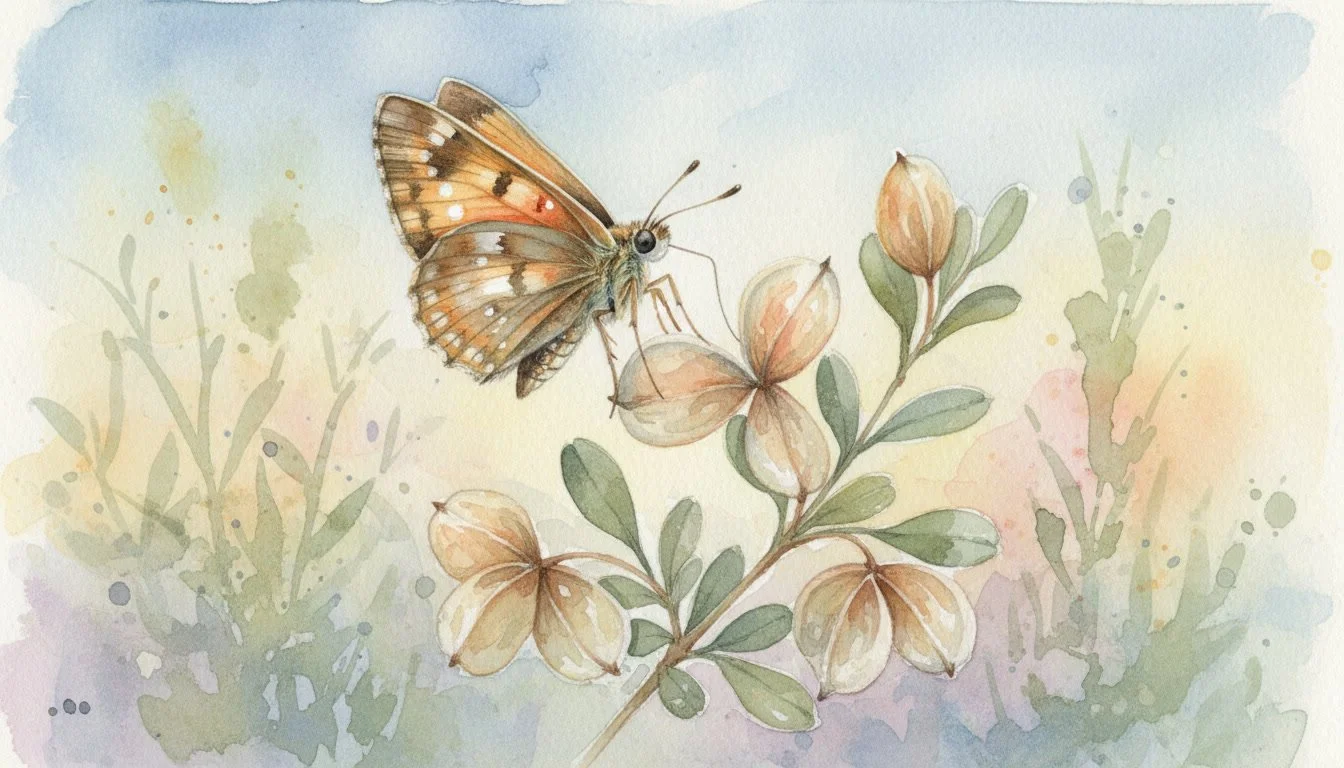
Four-wing Saltbush (Atriplex canescens) is an exceptionally hardy native shrub in our area of Montana, thriving in heavy alkaline clay where other plants fail. Beyond providing high-protein winter forage for wildlife, it serves as a critical host plant for native skipper butterflies (Hesperiidae family). Skippers lay their eggs on its silver-green leaves, producing caterpillars that feed the next generation of prairie songbirds and keep our local pollinator web thriving.
Four-Wing Saltbush (Atriplex canescens)
Four-wing Saltbush is an exceptionally resilient, semi-evergreen native shrub named for the prominent, four-winged seed pods that blanket its branches in late summer and fall. Known across the West as a top-tier native forage plant, it provides high-protein, digestible winter feed for native ungulates—such as pronghorn and deer—when herbaceous grasses are dormant under snow.
Equine Safety & Pasture Benefits: Four-wing Saltbush is non-toxic to horses and has historically provided valuable browse on arid native rangeland. Because it accumulates natural minerals and salts from sodic soils, grazing animals find it highly palatable. However, because of its elevated sodium and mineral content, it works best as part of a diverse, free-choice natural forage mix rather than a primary monoculture diet. We incorporate Four-wing Saltbush along outer pasture margins, paddock track corridors, and open dryland restoration zones where horses can browse it naturally alongside native bunchgrasses.
Soil Mechanics & Site Suitability: Four-wing Saltbush thrives in heavy, alkaline, sodic clay soils. With an extremely deep taproot system that often penetrates 20 to 40 feet into subsoil layers, it breaks up hardpan clay compaction, stabilizes dry banks against wind erosion, and thrives in low-rainfall environments with no supplemental water once established.
Pollinator & Insect Benefits: Serves as a vital host plant for native skipper butterflies and various leaf-hopper species that feed native insectivorous birds.
Bird & Wildlife Benefits: Highly prized across Western rangelands for its high-protein, digestible winter foliage. It provides critical browse for pronghorn, mule deer, and jackrabbits when snow buries the grasses. Quail, grouse, and native sparrows eat the large seed pods throughout winter.
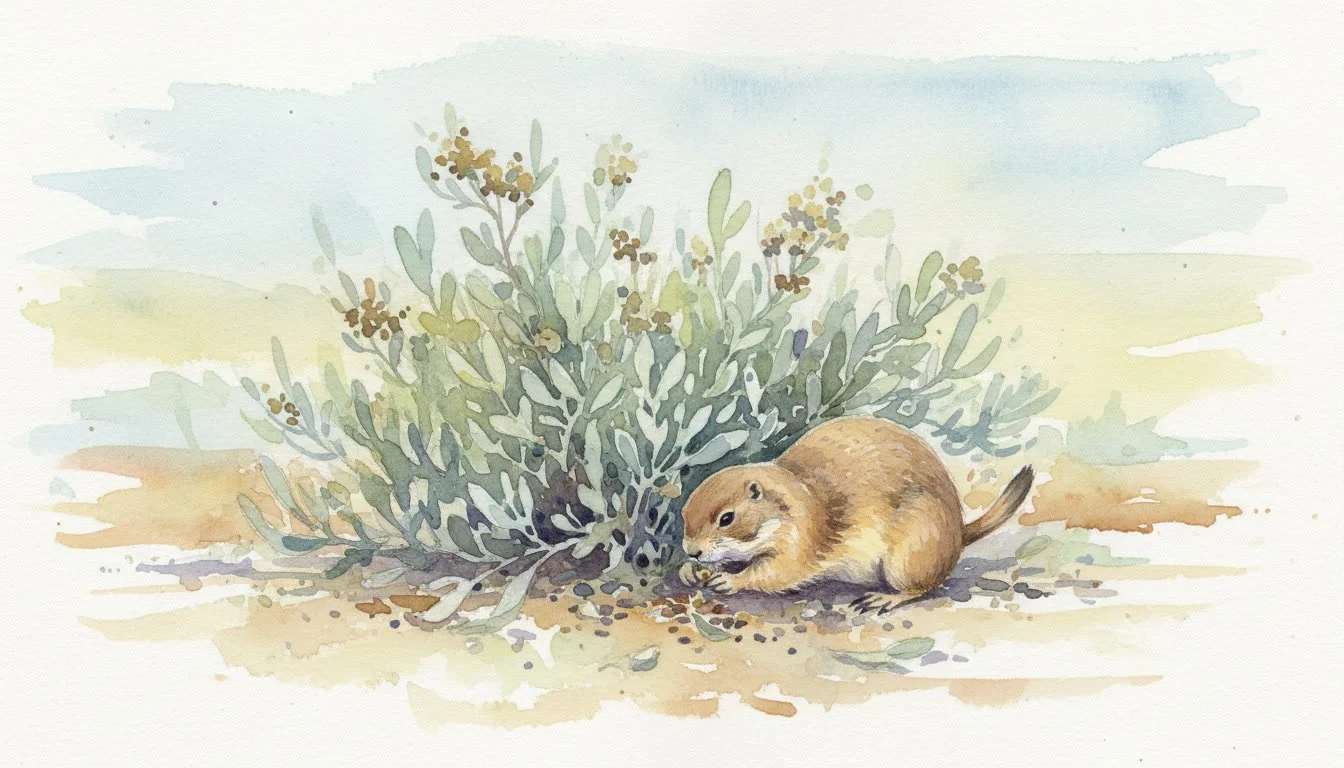
Gardner's Saltbush (Atriplex gardneri) is a tough, low-growing native shrub built for central Montana's harsh, alkaline clay soils. Its salt-tolerant, evergreen-like foliage serves as a vital, year-round food source for Black-tailed Prairie Dogs (Cynomys ludovicianus), who rely on its high-protein leaves and stems for moisture and nutrition during dry summer months and frozen winter conditions. By browsing around Gardner's saltbush, prairie dogs keep plant growth low and open, maintaining the clear sightlines they need to spot predators while creating rich, multi-species foraging hubs for surrounding prairie wildlife.
Gardner's Saltbush (Atriplex gardneri)
Gardner's Saltbush (also known as Nuttall's Saltbush) is a low-growing, evergreen-to-semi-evergreen native woody sub-shrub that forms wide, ground-hugging mats across harsh clay flats. It serves as an essential year-round soil anchor and provides critical winter forage for native prairie wildlife when wind blows or buries taller vegetation.
Equine Safety & Placement Strategy: Gardner's Saltbush is non-toxic to horses. Its low, mat-forming growth habit makes it practically immune to trampling damage, making it a great candidate for soil stabilization near fence lines and outer turnout zones. Like Four-wing Saltbush, its foliage contains natural salts and trace minerals that make it palatable, but its low stature means horses graze it sparingly in passing rather than over-browsing it. We establish Gardner's Saltbush along our exposed clay mounds, dry ditch banks, and outer pasture buffers to bind bare clay without creating tall obstruction hazards.
Soil Mechanics & Site Suitability: Gardner's Saltbush is specifically adapted to heavy, dense, gray clay soils with extremely high sodium loads (sodic clays) and pH levels above 8.5—conditions where almost no other native shrub can survive. Its extensive lateral root network binds topsoil, prevents crusting and surface washouts during sudden prairie rainstorms, and tolerates extreme winter cold.
Pollinator & Insect Benefits: Offers ground-level nectar for specialized native bees and acts as a nursery habitat for ground-dwelling beneficial beetles.
Bird & Wildlife Benefits: Provides essential year-round green forage for pronghorn and prairie dogs on exposed clay flats. Its low, dense mat structure provides cover for ground-nesting prairie birds like horned larks and chestnut-collared longspurs.
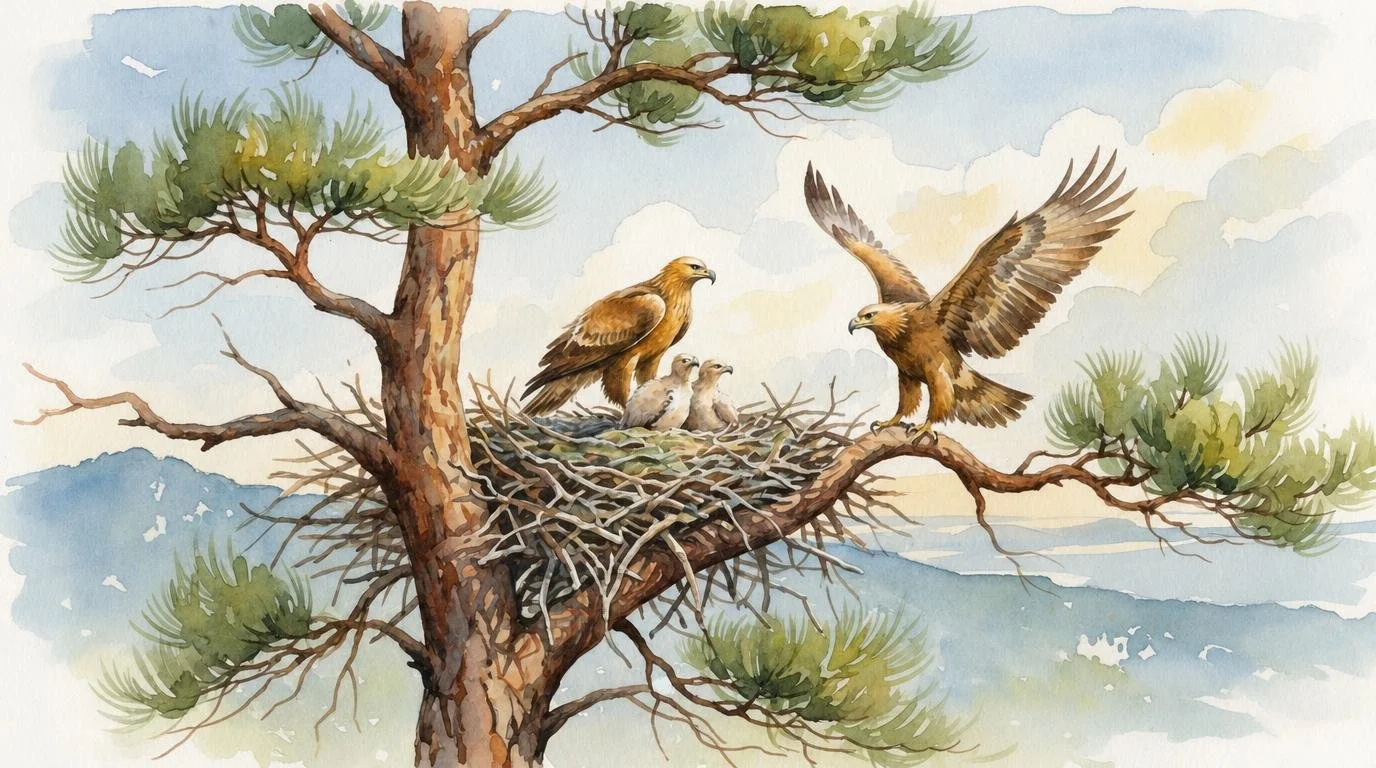
Ponderosa Pine (Pinus ponderosa) is one of the most majestic, deep-rooted conifers across our area of Montana, capable of standing tall against intense high-plains winds. Its massive trunk and high, sturdy canopy provide ideal nesting platforms for apex predators like the Golden Eagle (Aquila chrysaetos). These magnificent raptors construct heavy, long-lasting stick nests (eyries) high in mature Ponderosas, using the sweeping views to monitor the surrounding rangeland while relying on the tree's thick evergreen boughs for shelter from severe weather.
Ponderosa Pine (Pinus ponderosa)
Ponderosa Pine is the iconic, deep-rooted evergreen tree of the American West. With long, flexible needles, distinctive cinnamon-red puzzle bark on mature trees, and a grand, open canopy, it provides majestic, long-term wind protection and critical thermal cover for wildlife.
Equine Safety & Strict Pasture Management: Ponderosa Pine needles contain isocupressic acid, which is toxic to pregnant livestock (causing abortion or early labor) and can cause digestive distress if consumed in volume. While horses generally do not graze pine needles when quality pasture or hay is available, safety is our absolute priority at Karma Ranch Sanctuary—especially when caring for rescue mares. We plant Ponderosa Pines strictly along our outermost property boundaries, deep exterior shelterbelts, and non-grazing timber buffer zones far removed from active horse turnout paddocks and fencing.
Soil & Site Suitability: Ponderosa Pine develops a massive, deep taproot that anchors firmly in heavy clay soils and withstands high prairie winds. It is extremely drought-hardy, handles lean soils, and serves as an enduring evergreen windbreak for generations.
Pollinator & Insect Benefits: Supports a vast array of specialized forest insects, native bark-dwelling beetles, and moths that form the base of the forest food web.
Bird & Wildlife Benefits: Ponderosa Pines provide roosting and nesting sites for hawks, owls, and cavity-nesting birds like chickadees and woodpeckers. The large winged seeds in pine cones are essential autumn food for red squirrels, chipmunks, crossbills, and nuthatches. The heavy evergreen boughs offer critical thermal protection against blizzards for deer and pronghorn.
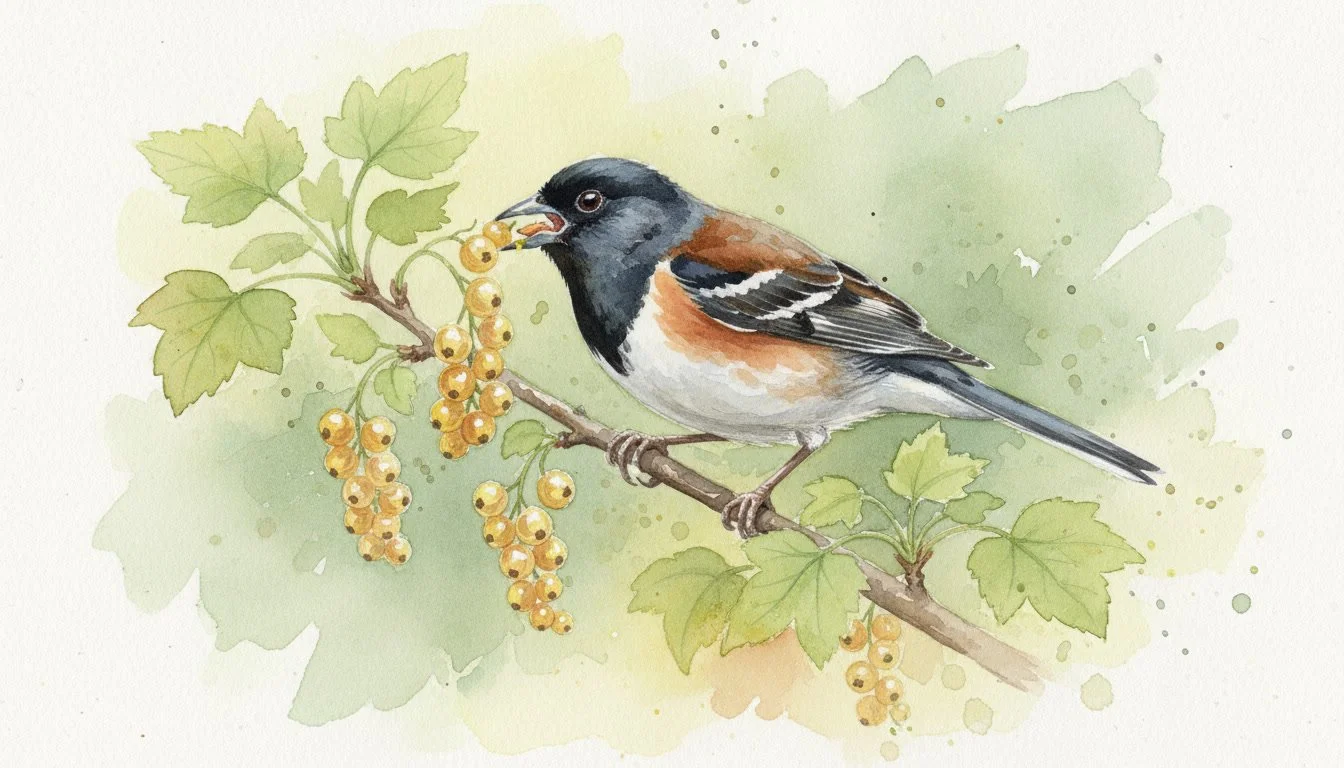
Spotted Towhees (Pipilo maculatus) are striking, ground-foraging songbirds frequently seen flitting through the underbrush across our area of Montana. Yellow Currant (Ribes aureum) provides an irresistible summer food source for these birds as its translucent, sweet berries ripen on the vine. Towhees rely on these juicy berries for essential hydration and energy during dry summer spells, while the dense, multi-stemmed structure of the shrub offers secure, low-level nesting cover and protection from high-plains predators.
Yellow Currant / Golden Currant (Ribes aureum)
Yellow Currant is a delightful, hardy native shrub celebrated for its fragrant, tubular yellow flowers in spring that smell sweetly of clove and vanilla. In mid-to-late summer, it produces translucent yellow-to-orange berries that are prized by songbirds, pollinators, and native wildlife.
Equine Safety & Placement Strategy: Yellow Currant (Ribes aureum) is non-toxic to horses. The ripe berries and leaves are harmless, but because young shrubs can be easily trampled or over-grazed down to the root, we establish Yellow Currant along our secondary shelterbelt rows, orchard borders, and outer wildlife corridors rather than inside heavy-traffic turnout paddocks.
Soil & Site Suitability: Highly adaptable to Western clay soils and high-pH conditions, Yellow Currant features a multi-stemmed, suckering growth habit that stabilizes soil banks along drainage lines. It is exceptionally cold-hardy (Zone 3) and handles drought well once its root system anchors.
Pollinator & Insect Benefits: The sweet-smelling spring blossoms are a crucial early-season nectar source for native bumblebees, solitary bees, and early butterflies waking from dormancy. It serves as a host plant for native moth larvae, supplying vital caterpillars for nesting songbirds.
Bird & Wildlife Benefits: Robins, towhees, bluebirds, and cedar waxwings favor the juicy, nutrient-rich berries. Ground-dwelling mammals and upland game birds like sharp-tailed grouse feed on fallen fruit, while the dense branch structure offers protective cover for songbird nests.
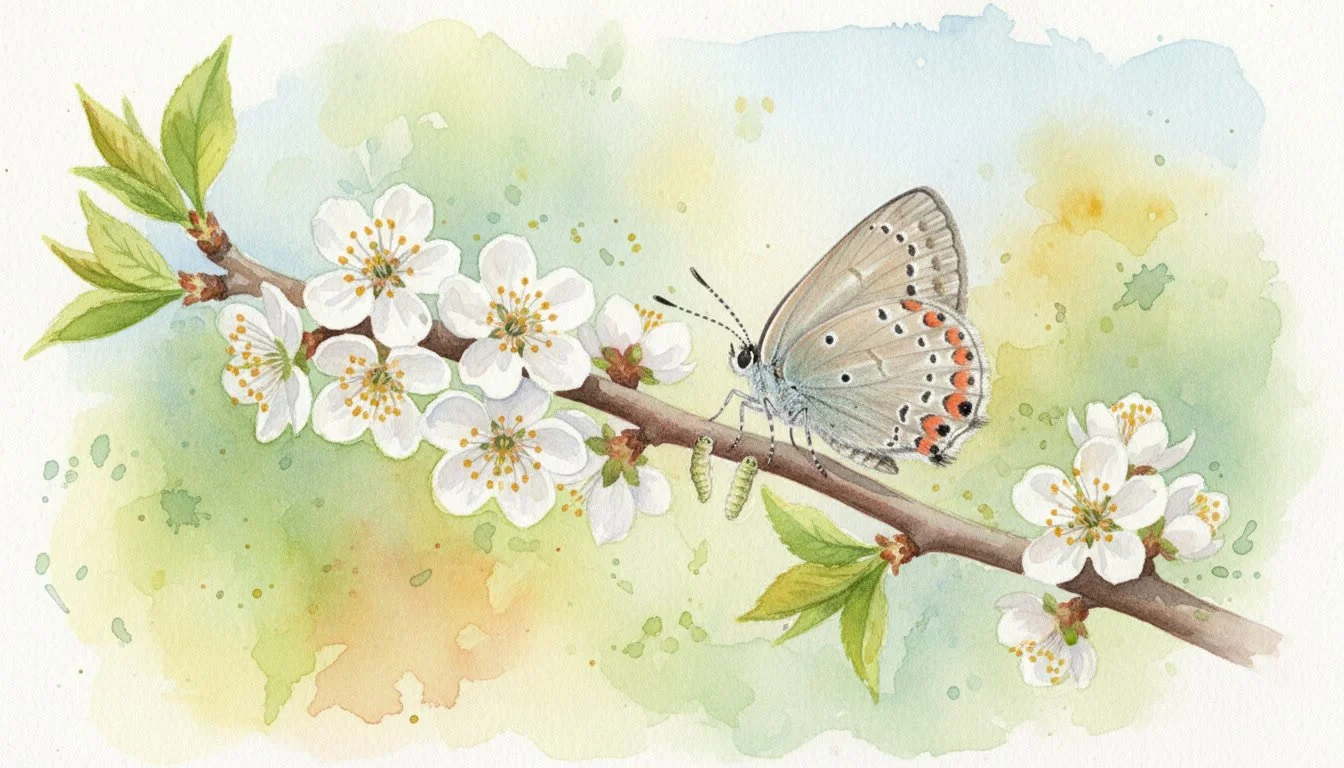
The Coral Hairstreak butterfly (Satyrium titus) relies on native wild plums to complete its life cycle in our area of Montana. American Plum (Prunus americana) serves as a vital host plant for these delicate pollinators, providing a nursery where females lay their eggs on the woody stems so emerging caterpillars can feed on the tender spring foliage. By planting American Plum, we aren't just establishing dense windbreaks and fragrant spring blooms at Karma Ranch Sanctuary, we are directly supporting native butterfly populations while growing wild fruit that feeds dozens of local bird and wildlife species.
American Plum (Prunus americana)
American Plum is a fast-growing native wild plum that spreads by root suckers, forming dense, protective thickets. In spring, it produces a breathtaking profusion of fragrant white flowers, followed by sweet, edible red-to-yellow plums in late summer.
Equine Safety & Strict Pasture Management: Wild plum pits, leaves, and wilted foliage contain cyanogenic glycosides, which can be toxic to horses if they ingest significant quantities. Horses rarely graze fresh live plum leaves, but wilted leaves and fallen fruit pits present a risk. At Karma Ranch Sanctuary, we plant American Plum strictly outside active horse paddocks—establishing thickets along perimeter boundary lines, wildlife travel corridors, and outer windbreak zones set well back from pasture fence lines.
Soil Mechanics & Site Suitability: Highly adaptable to heavy clay soils, dry banks, and high-pH sites. Its suckering root network binds loose soil and stabilizes slopes against water and wind erosion.
Pollinator & Insect Benefits: An exceptional early-spring pollinator magnet. The fragrant blooms deliver abundant nectar and pollen to native bumblebees, honeybees, solitary mining bees, and syrphid flies. It is a vital host plant for caterpillars of the Western Tiger Swallowtail and Coral Hairstreak butterflies.
Bird & Wildlife Benefits: Over 30 species of wildlife near Great Falls eagerly consume the summer fruit, including Cedar Waxwings, Gray Catbirds, Robins, Sharp-tailed Grouse, foxes, and raccoons. Its dense, thorny thickets offer impenetrable nesting sites for songbirds and critical escape cover for cottontails and ground-nesting game birds from winter raptors.
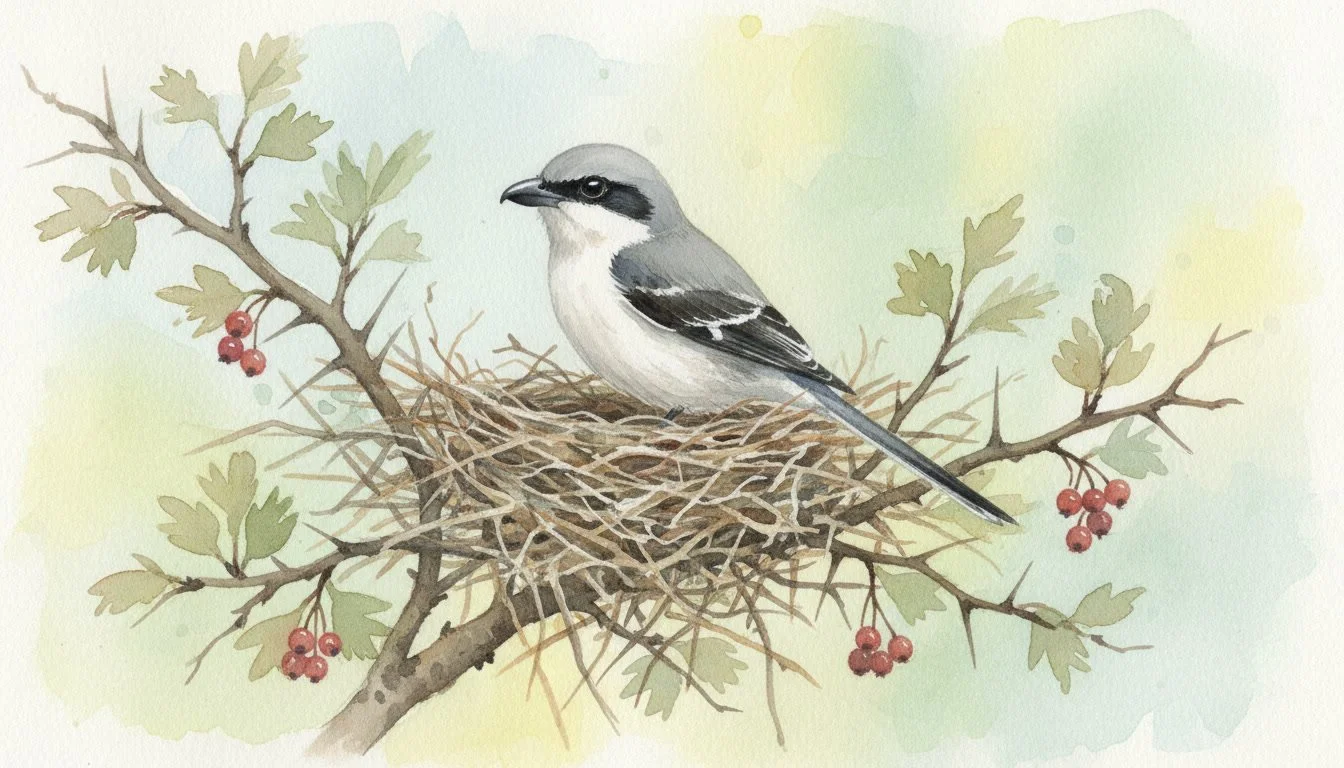
Douglas Hawthorn (Crataegus douglasii) is a dense, sharp-thorns native small tree that provides unbeatable nesting habitat and natural security in central Montana. Its thick, thorny canopy makes it the ultimate sanctuary for the Loggerhead Shrike (Lanius ludovicianus) a fascinating predatory songbird often called the "butcherbird." Shrikes depend on the hawthorn's long, stout thorns to weave secure, predator-proof nests deep inside the branches, and they famously use those same thorns as a natural pantry to impale and store grasshoppers, beetles, and small prey for their hatchlings. By planting Douglas Hawthorn at Karma Ranch Sanctuary, we are providing these striking, declining birds with the precise structural habitat they need to raise the next generation safely.
Douglas Hawthorn (Crataegus douglasii)
Douglas Hawthorn is a sturdy, multi-stemmed native small tree or large shrub featuring sharp, 1-inch thorns, glossy green leaves, and dark purple-to-black berries (haws) that ripen in late summer.
Equine Safety & Placement Strategy: Douglas Hawthorn foliage and berries are non-toxic to horses, but its long, rigid thorns can cause eye injuries or skin punctures during herd play. We plant Douglas Hawthorn strictly along outer perimeter boundary lines, exterior shelterbelts, and dry creek draws—keeping it outside active horse turnouts and paddock fences.
Soil Mechanics & Site Suitability: Thrives in heavy clay soils, moist draws, and high-pH sites. Its deep, fibrous root system stabilizes banks along seasonal drainage ditches and holds clay soil against wind erosion.
Pollinator & Insect Benefits: Dense white spring flower clusters attract native bees, butterflies, and beneficial predatory wasps. It serves as a larval host for the Gray Hairstreak butterfly and native moth species.
Bird & Wildlife Benefits: The dark, persistent haws remain on the branches into winter, supplying high-value winter food for Cedar Waxwings, Townsend’s Solitaires, Sharp-tailed Grouse, and Ring-necked Pheasants. Its rigid branches and stout thorns create predator-proof nesting habitat for songbirds like Brown Thrashers and Loggerhead Shrikes, as well as winter thermal cover for small mammals.
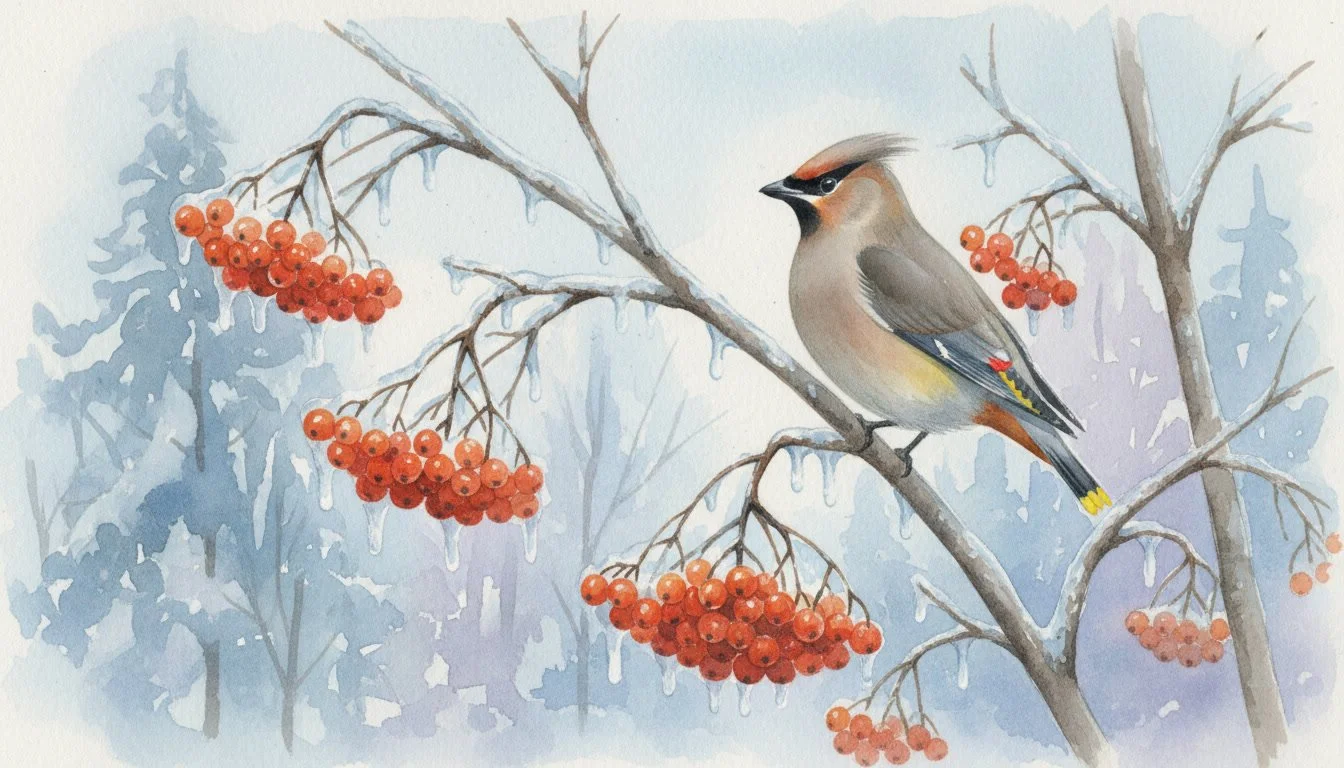
Bohemian Waxwings (Bombycilla garrulus) are iconic winter visitors in our area of Montana, traveling in large, nomadic flocks in search of fruit. Mountain Ash (Sorbus scopulina) is a critical winter survival tree for these birds—its dense, flat-topped clusters of bright orange-red berries persist well into sub-zero weather when other food sources are buried under snow. Waxwings feed ravenously on the high energy berries, plucking them whole from the frozen branches to fuel their high metabolic needs during harsh winter cold snaps. By planting native Mountain Ash, we provide a vital lifeline for these striking, crest-headed birds throughout the coldest months of the year.
Mountain Ash / Green's Mountain Ash (Sorbus scopulina)
Green's Mountain Ash is a handsome native multi-stemmed shrub or small tree featuring compound green leaves, flat-topped clusters of showy white spring flowers, and brilliant, dense clusters of bright orange-red berries that persist into winter.
Equine Safety & Placement Strategy: Fresh Mountain Ash seeds contain trace cyanogenic compounds (similar to apple seeds), making them unpalatable and unsuitable in large quantities for horses. While horses rarely show interest in the bitter berries, we establish Mountain Ash along our secondary shelterbelts, orchard perimeters, and outer wildlife corridors outside horse turnout fencing.
Soil Mechanics & Site Suitability: Adapted to Zone 3 cold hardiness, clay soils, and mountain-foothill draw conditions. It prefers well-drained to seasonally moist clay sites and handles high wind exposure.
Pollinator & Insect Benefits: The abundant spring blossoms provide rich nectar and pollen for native bees, hoverflies, and butterflies in our area of Montana.
Bird & Wildlife Benefits: The bright orange-red berries are a winter survival staple for resident and migrating songbirds in central Montana, including American Robins, Cedar and Bohemian Waxwings, Mountain Bluebirds, and Grosbeaks. Native small mammals and upland birds forage on fallen seeds, while the dense foliage provides summer nesting cover.
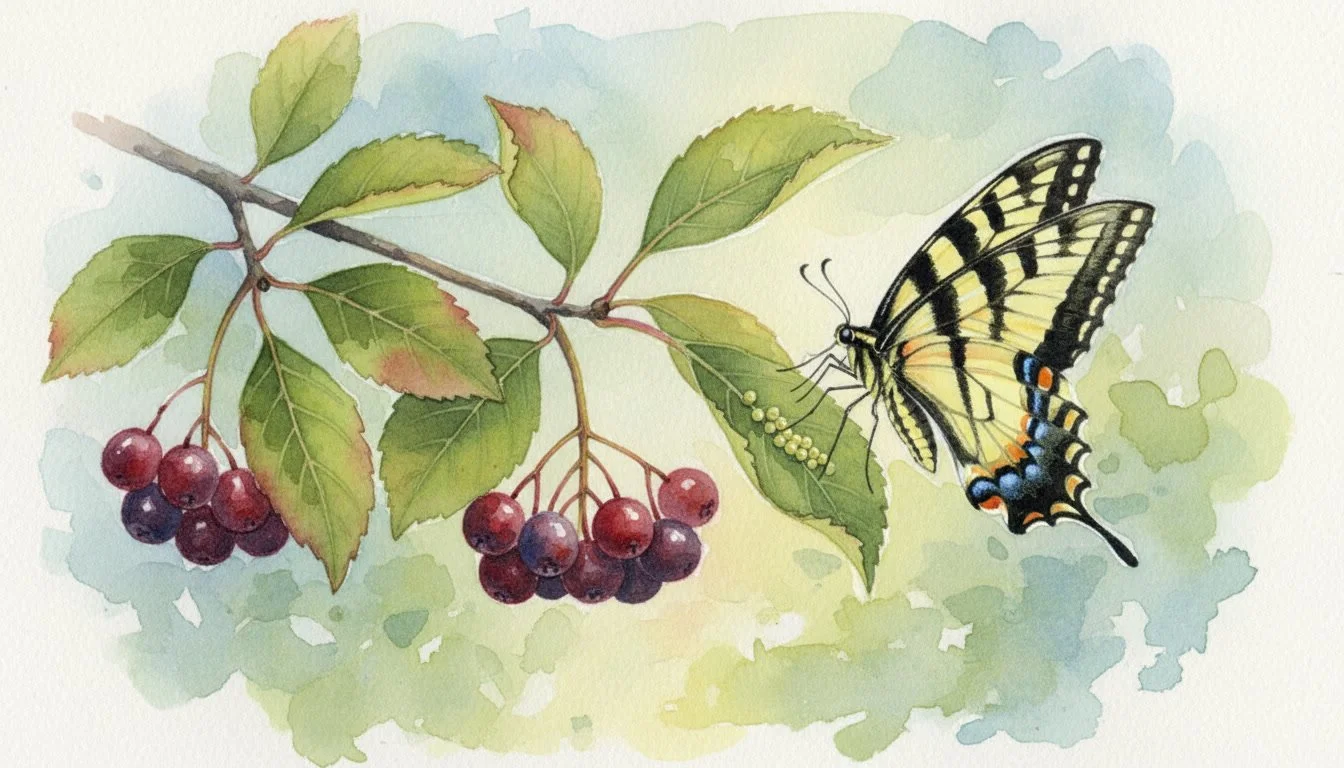
Chokecherry (Prunus virginiana) is one of the most ecologically valuable native small trees in our area of Montana. Beyond producing dark winter berries for over 70 wildlife species, its spring foliage serves as a primary host plant for the Western Tiger Swallowtail butterfly (Papilio rutulus). Swallowtails lay their eggs on the leaves, supplying high-protein caterpillars that local parent songbirds rely on to feed their spring hatchlings.
Chokecherry (Prunus virginiana)
Chokecherry is one of the most ecologically valuable native small trees across the Western rangeland. In spring, it produces long, drooping racemes of fragrant white blossoms, followed in late summer by heavy clusters of dark purple, astringent cherries.
Equine Safety & Strict Pasture Management: Like wild plum, Chokecherry leaves, seeds, and stems contain cyanogenic glycosides (amygdalin), which can convert to cyanide if stressed, wilted, or consumed in large quantities. While well-fed horses rarely eat fresh leaves from growing trees, wilted leaves from frost or broken branches pose a clear risk. At Karma Ranch Sanctuary, we plant Chokecherry strictly in dedicated wildlife corridors, outer shelterbelts, and property perimeters well set back from horse pastures and fence lines.
Soil Mechanics & Site Suitability: Highly adaptable to heavy clay, high-pH soils, and drought. Its suckering root network forms thickets that bind loose soil, stop bank erosion, and thrive in low-rainfall environments.
Pollinator & Insect Benefits: A top-tier pollinator tree in our area of Montana. The spring blossoms feed native bumblebees, mining bees, and sweat bees. It is a critical caterpillar host for over 200 species of native lepidoptera, including the Western Tiger Swallowtail butterfly, two-tailed swallowtail, and cecropia moth.
Bird & Wildlife Benefits: Over 70 species of birds and mammals near Great Falls eat chokecherry fruit. Sharp-tailed Grouse, Ring-necked Pheasants, Robins, Grosbeaks, and Waxwings gorge on the ripe cherries. Mule deer and pronghorn browse the leaves, while thickets provide essential thermal cover and hiding spots for fawns.
Building a Sustainable Legacy
Restoring land requires patience, vision, and a deep commitment to ecological integrity. While planting regulated species like Russian olive trees might offer quick green cover, it degrades native prairie habitats, alters soil chemistry, and drains precious groundwater reserves over time. At Karma Ranch Sanctuary, a dedicated horse rescue and sanctuary in Montana, our mission extends beyond saving equine lives—we are actively healing the land that sustains them. By choosing resilient native species, our Montana horse rescue remains committed to building a healthy, balanced ecosystem that supports our heavy clay soil, vital water resources, rescued herd, and surrounding high-plains wildlife for generations to come.
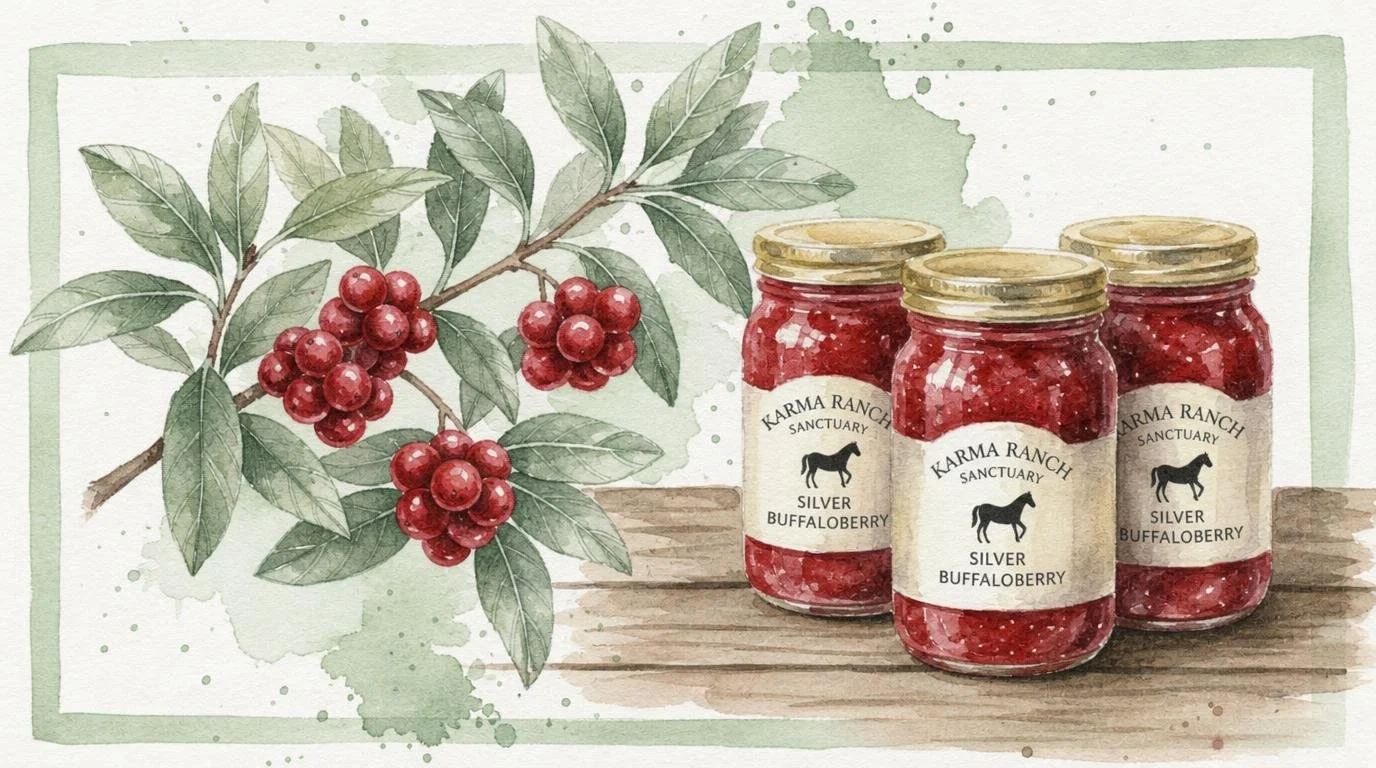
Our Silver Buffaloberry dream! Over 50 native bushes in the ground, each one promising natural wind shelter, rich wildlife forage, and a future where the land itself helps feed and care for our rescue herd. These jars of hand-picked Silver Buffaloberry jam represent the ultimate goal of our closed-loop horse sanctuary: a rare, wild-harvested preserve from shrubs we planted to heal the soil, with every small-batch jar generating the funds needed to shelter, feed, and medically support our rescue herd. By giving to the land, we hope to build a Montana horse rescue that thrives on the bounty of its own soil, relying less on donations and more on the land's beautiful, wild resilience.
Giving to the Land, and Letting the Land Give Back
To us, true sanctuary care means creating a closed-loop, self-sustaining model where the land and the rescue work in complete harmony. We don't just want to exist on the land; we want to cultivate a reciprocal relationship with it. A perfect example of this closed-loop dream is taking shape along our native shelterbelts.
We have already planted over 50 native Silver Buffaloberry (Shepherdia argentea) shrubs across the property. Beyond serving as a non-invasive, nitrogen-fixing alternative to the Russian olive, Silver Buffaloberry produces bright, tart red berries in late summer. Buffaloberry jam is a historic Western staple, but you can't find it on store shelves today.
As these native shrubs mature over the years, we aim to harvest the berries and make small-batch, handcrafted Silver Buffaloberry Jam directly on Karma Ranch. By offering this rare, sustainable prairie preserve to our supporters, every jar sold will generate revenue to directly feed, shelter, and provide medical care for our rescue horses. It is a tangible way to give back to the land, let the land give back to our animals, and build a horse rescue in Montana that can eventually fund its operations through sustainable land productivity rather than relying solely on donations.
Supporting Our Montana Neighbors
Our vision for ecological stewardship doesn't stop at our fence lines. As our native shelterbelts, windbreaks, and forage plots establish and multiply, we aim in the coming years to offer low-cost native seedlings, bare-root stock, and cuttings directly to our ranching and rural neighbors across Montana.
By making hardy, non-invasive native plants like Silver Buffaloberry, Saskatoon Serviceberry, and Winterfat accessible and affordable for local property owners, we hope to empower our entire community to make sustainable choices for their land. Replacing invasive plants across the state starts with providing viable, beautiful alternatives.
At Karma Ranch Sanctuary, every root we set into the ground is an investment in the future, a promise to protect Montana’s native landscape, preserve our precious water, and offer a lifelong safe haven for horses in need.

If you’ve made it all the way to the end of this article, I just want to say a huge, heartfelt thank you from the bottom of my heart for taking the time to read it.
I hope this piece empowers you to become a true advocate for Montana’s land and water. The next time you hear a neighbor, a friend, or someone at a local plant shop say, "I'm planting a Russian olive…I don't care if it's invasive, it's fast growing and beautiful," you’ll know exactly what to tell them. You’ll have the facts to explain why it's so destructive to our groundwater, soil, and native wildlife and better yet, you'll have a whole list of native tree alternatives that are just as stunning, far tougher, and actually belong here.
Protecting central Montana’s soil and water isn't something any single ranch or sanctuary can do alone, we can only do this together, as a community of landowners who care about the future of our state. Thank you for caring, for learning, and for helping us spread the word!
With gratitude,
Noelle Lynne
Founder, Karma Ranch Sanctuary
References & Regulatory Sources
Frequently Asked Questions (FAQ)
Why should I not plant Russian olive trees in Montana?
Russian olive (Elaeagnus angustifolia) is an invasive, Priority 3 Regulated Plant in Montana that severely damages local ecosystems. Its massive root system acts as a biological pump, consuming hundreds of gallons of groundwater daily and drying up nearby streams, sub-irrigation lines, and pastures. It also alters soil chemistry by dropping high-tannin leaf litter, forms dense, thorny thickets that block wildlife movement, and drops seeds that aggressively colonize downstream watersheds.
Are Russian olive trees illegal to plant in Montana?
Yes. Under the Montana County Weed Control Act, Russian olive is designated as a Priority 3 Regulated Plant. State mandate strictly prohibits intentionally selling, propagating, or spreading Russian olive trees anywhere in Montana. Landowners are strongly encouraged to control existing stands and replace them with native species.
Why are Russian olive trees so hard to kill?
Simply cutting down a Russian olive tree triggers a survival response in its aggressive root collar, causing dormant buds to send up dozens of fast-growing, thorny root suckers. Within a single season, a single cut trunk transforms into an impenetrable thicket. Effective eradication requires immediately applying a systemic brush herbicide to the fresh stump (cut-stump treatment) or heavy mechanical excavation to remove the entire root crown.
What are the best native tree and shrub alternatives to Russian olive in Montana?
For landowners seeking windbreaks, shade, or wildlife habitat in central Montana's heavy, high-pH clay soils, top native alternatives include:
Silver Buffaloberry (Shepherdia argentea) – A native, nitrogen-fixing shrub with silver-green foliage that creates dense shelterbelts and produces rich berries for wildlife.
Netleaf Hackberry (Celtis reticulata) – A rugged, deeply rooted native tree exceptionally adapted to dry, alkaline soils.
Winterfat (Krascheninnikovia lanata) – An indispensable native range shrub that binds soil and provides high-protein winter forage.
Coyote Willow (Salix interior) – A fast-growing native willow that acts as a natural "soil sponge," binding stream banks and preventing erosion.
Western Serviceberry & Chokecherry – High-value native small trees that offer fragrant spring blooms, soil stability, and vital food for native songbirds.
Do Russian olive trees fix nitrogen in the soil?
Yes, Russian olive trees form a symbiotic relationship with Frankia actinomycetes in their root nodules, which fix atmospheric nitrogen. However, unlike native nitrogen-fixers (such as Silver Buffaloberry), Russian olives unnaturally alter soil chemistry by depositing heavy loads of nitrogen and dense tannins, creating localized soil conditions that suppress native prairie bunchgrasses while favoring invasive weeds.
How do Russian olive trees affect groundwater and local water tables?
Russian olives are facultative phreatophytes, meaning their deep taproots tap directly into shallow aquifers and water tables. A single mature tree can consume hundreds of gallons of water per day during the peak growing season. When dense stands invade riparian corridors and ditches, they lower local water tables, dry up shallow springs and sub-irrigation lines, and starve adjacent native vegetation during dry Montana summers.
Are Russian olive trees safe for livestock and horses?
Russian olive leaves and fruit are not inherently poisonous to horses or livestock, but the trees pose significant management and physical hazards. Mature trees develop long, sharp, rigid thorns that can cause serious puncture injuries to the eyes, skin, and hooves of grazing animals. Additionally, dense thickets restrict herd movement, degrade pasture quality by choking out palatable native grasses, and deplete stock water sources.
Can you use Russian olive wood for firewood or fence posts?
While Russian olive wood is dense and burns hot, it poses several challenges. The wood must be thoroughly seasoned to burn cleanly, and handling cut branches requires extreme caution because sharp, puncture-causing thorns make them dangerous. Using raw Russian olive logs for fence posts or ground contact is generally discouraged because the wood rots quickly when exposed to soil moisture and does not match the longevity of treated timber or continuous steel pipe fencing.
How do birds spread invasive Russian olive trees?
In late summer and fall, Russian olive trees produce thousands of silver, mealy fruits containing hard, viable seeds. Birds such as starlings, robins, cedar waxwings, and pheasants eat these fruits and deposit intact seeds miles away along fence lines, utility wires, and waterways. This avian vectoring rapidly colonizes neighboring ranches and public lands downstream.