Beneath the Big Sky: Honoring the Ancient Stewards of the Ulm Basin
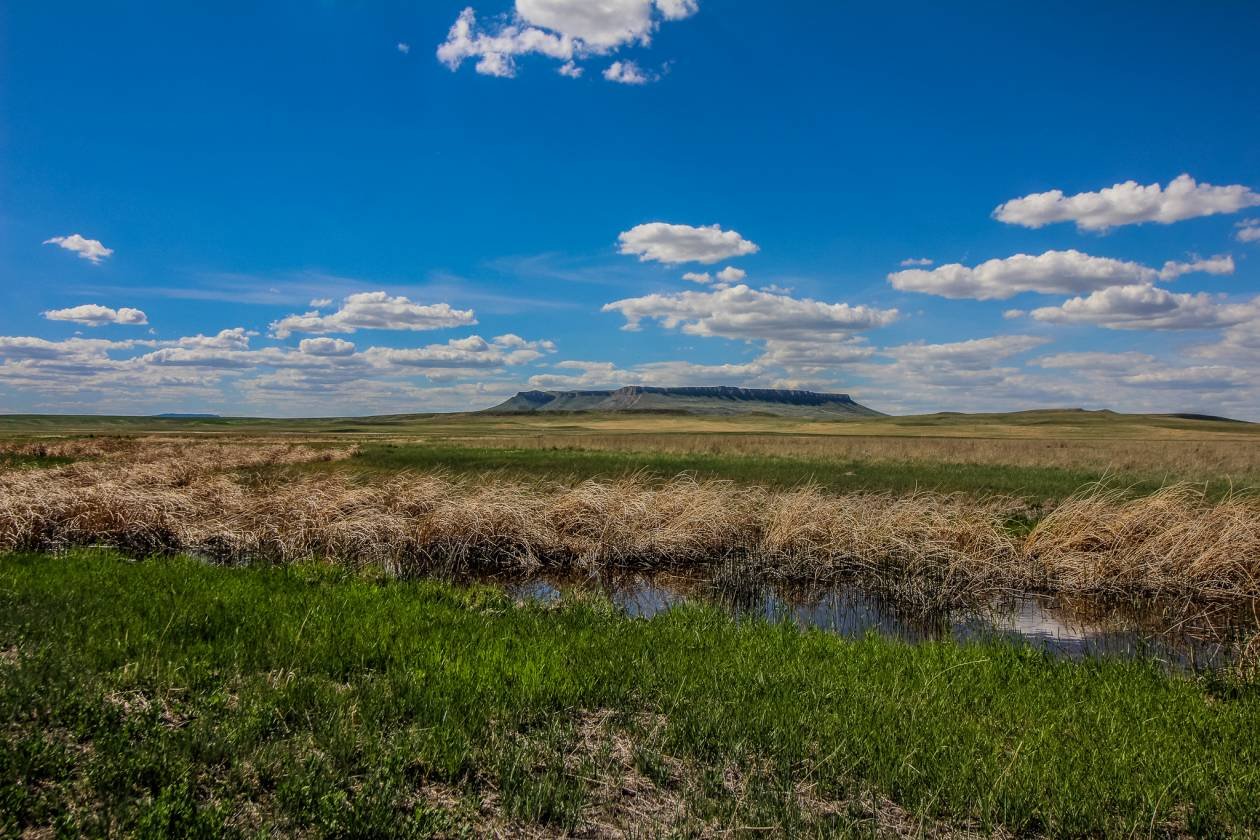
THE LAND UPON WHICH WE STAND
Karma Ranch acknowledges with deep respect that our 250 acres in Ulm, Montana, are situated on the aboriginal territories of several Indigenous nations, including the Niitsitapi (Blackfeet Confederacy), the Salish, the Crow, and the A’aninin (Gros Ventre).
For over a thousand years, this region—sitting in the shadow of the First Peoples Buffalo Jump—served as a vital crossroads of survival, spiritual practice, and profound connection between humans and the animal world. We recognize that these nations were the original stewards of this land, possessing a sophisticated understanding of the "Living Pharmacy" and the biological rhythms of the plains long before our arrival.
Our Commitment to Reciprocity Inspired by the legacy of those who walked these flats before us, Karma Ranch is committed to more than just a memory of the past. We view our work as an act of active stewardship and restoration:
Restoring the Medicine Line: By planting 14,000 native trees and shrubs, we are re-establishing the indigenous flora—like Willow, Sage, and Serviceberry—that served as the traditional pharmacy for both the people and the herds of this basin.
Honoring the "Shared Language": We seek to honor the ancient "Buffalo Runners" who mastered the art of listening to animal behavior by practicing Sovereignty in our own horse handling—prioritizing cooperation and trust over force.
Preserving the Gathering Basin: We recognize our role as temporary guardians of a landscape that is still significant to the Indigenous people who live in Montana today. We strive to manage this soil in a way that heals, rather than depletes, the ancestral legacy of the Missouri River valley.
We honor the past, respect the present-day Indigenous communities who continue to practice their teachings and lifeways in this region, and commit ourselves to a future where this land remains a sanctuary for all who inhabit it.
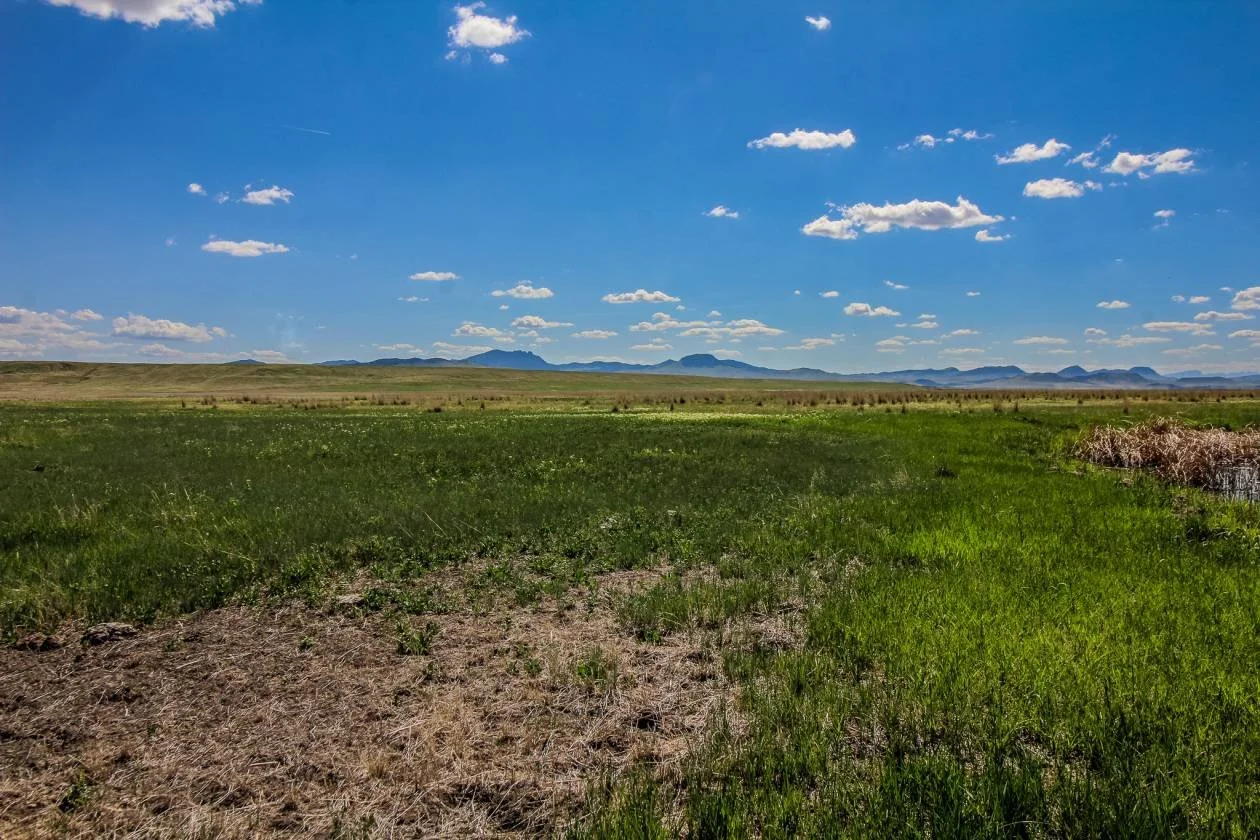
The Echo of the Herd: A Deeper History of the Ulm Basin
To understand Karma Ranch, one must look beneath the surface.
Our 250 acres sit within a landscape that has been a theater of survival and connection for over 1,500 years. As we look toward the horizon, we see the layers of those who came before us.
The Great Gathering Basin
Nineteen miles to our North lies the First Peoples Buffalo Jump, but the story of that sacred site actually began right here on these flats. This area was the "Gathering Basin."
The A’aninin (Gros Ventre) and Niitsitapi (Blackfeet) practiced a form of "silent communication" with the bison. They understood herd dynamics so deeply that they could lead thousands of animals across these 20 miles of open range using only body language and fire-tempered "drive lines." At Karma Ranch, when we speak of Sovereignty and working with the horse’s natural instincts, we are echoing a thousand-year-old tradition of listening to the animal’s heart before asking for their feet.
The White Clay and the Medicine Soil
The A’aninin (meaning "White Clay People") found more than just food in this valley; they found medicine. The geological history of the Missouri River breaks left behind a soil rich in minerals and volcanic ash. This soil is the foundation of our "Living Pharmacy." Historically, the tribes gathered Chokecherry for respiratory health, Buffaloberry for vitamins, and Willow bark for pain—many of the same native species we are reintroducing today. We believe that by restoring these specific plants, we are reconnecting the land to its original purpose: a place of healing for the weary.
The Crossroads of the West
By the mid-1800s, this land became a literal crossroads. The Mullan Road, the first wagon road to cross the Rocky Mountains into the inland Northwest, passed through this region. It was a time of immense change, where the ancient trails of the Salish and Crow met the wagon ruts of the pioneers.
Cascade and Ulm became the gateway where the mountain met the prairie. Today, Karma Ranch stands at a new kind of crossroads—where the traditional wisdom of the past meets a modern commitment to equine rescue and soil regeneration.
Our Future Commitment
Inspired by the legacy of this land, we commit to: Prioritizing Indigenous wisdom in our land management, Restoring the "Medicine Lines" through our 14,000-tree project. Ensuring Karma Ranch remains a permanent sanctuary for equine sovereignty.
Help us honor this legacy. Join the Founding 20,000.
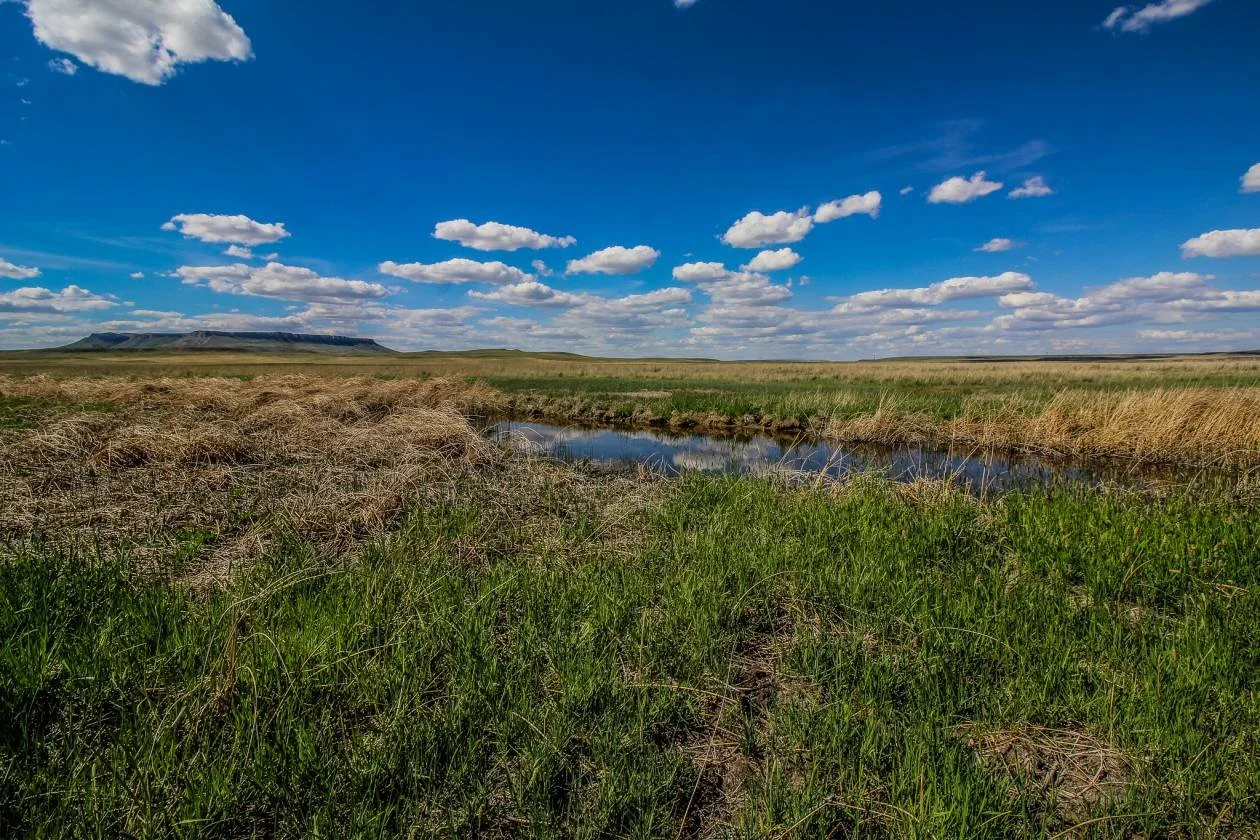
Our Future Commitment: A Living Reciprocity
In the spirit of the Ucross Foundation and the Indigenous stewards who preceded us, Karma Ranch commits to a future defined by active reciprocity with the land and its original inhabitants. We recognize that stewardship is a continuous journey, not a static destination.
As we grow toward our goal of supporting 95 horses and regenerating 250 acres, we pledge to:
Prioritize Indigenous Wisdom in Land Management: We commit to ongoing learning from Aaniinen and Niitsitapi elders and ecological experts to ensure our "Living Pharmacy" aligns with the native biodiversity of the Missouri River Basin.
Create a Sanctuary of Sovereignty: We vow to protect the "shared heartbeat" of this land by maintaining a low-stress, cooperative environment where horses are treated as sentient partners, honoring the ancient bond between the people of the plains and the animal nations.
Sustain the Ancestral Corridor: Our commitment to planting 14,000 trees is a permanent vow to restore the shelterbelts and bird habitats that were part of this ecosystem for millennia. We commit to the long-term maintenance of these "medicine lines" for generations to come.
Open the Dialogue: We pledge to use our platform—and our community of the Founding 20,000—to amplify the history of the Ulm/Cascade region and support the ongoing sovereignty of the Indigenous nations of Montana.
The land is not just where we live; it is who we are. Our future is rooted in its healing.
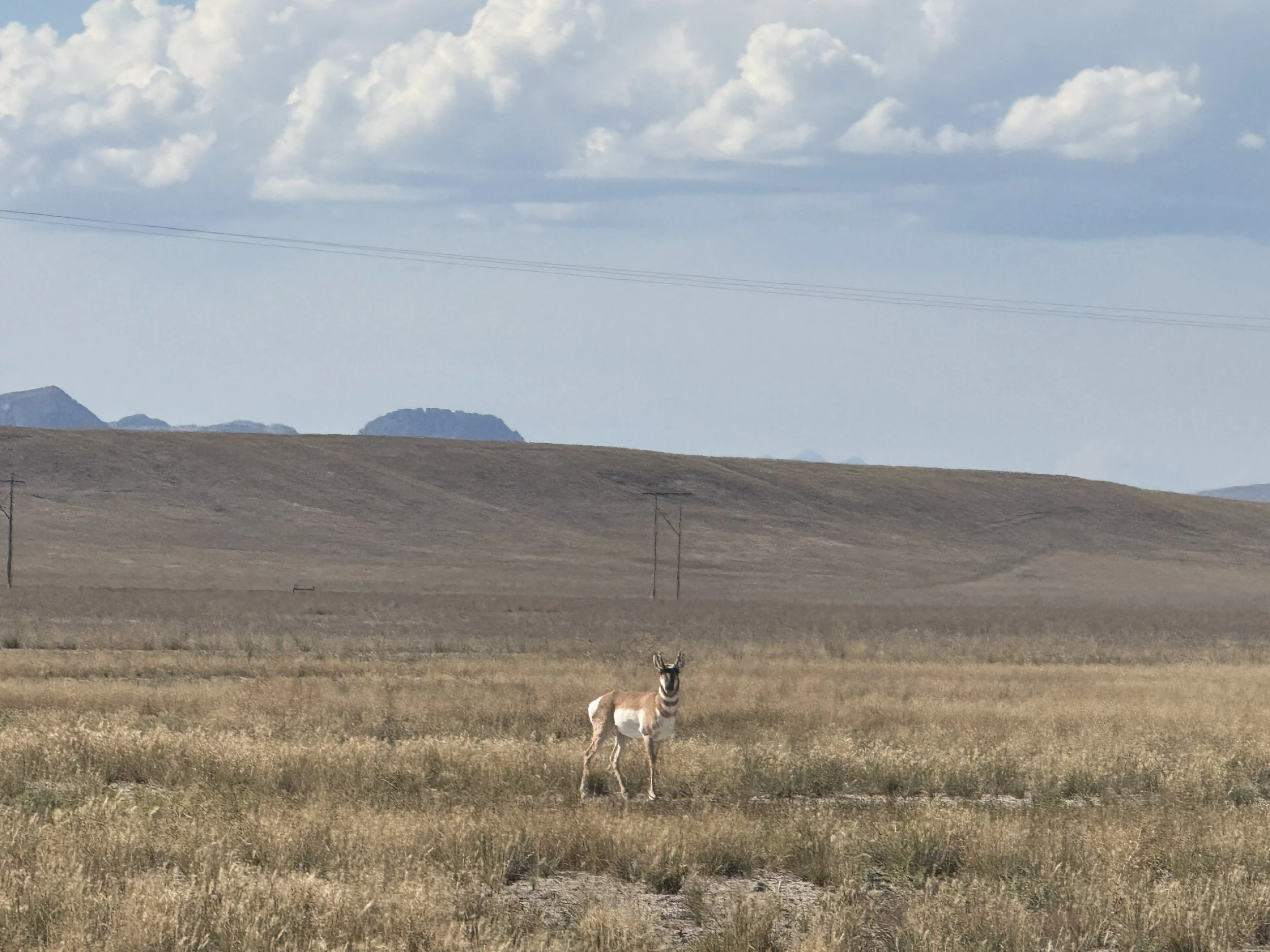
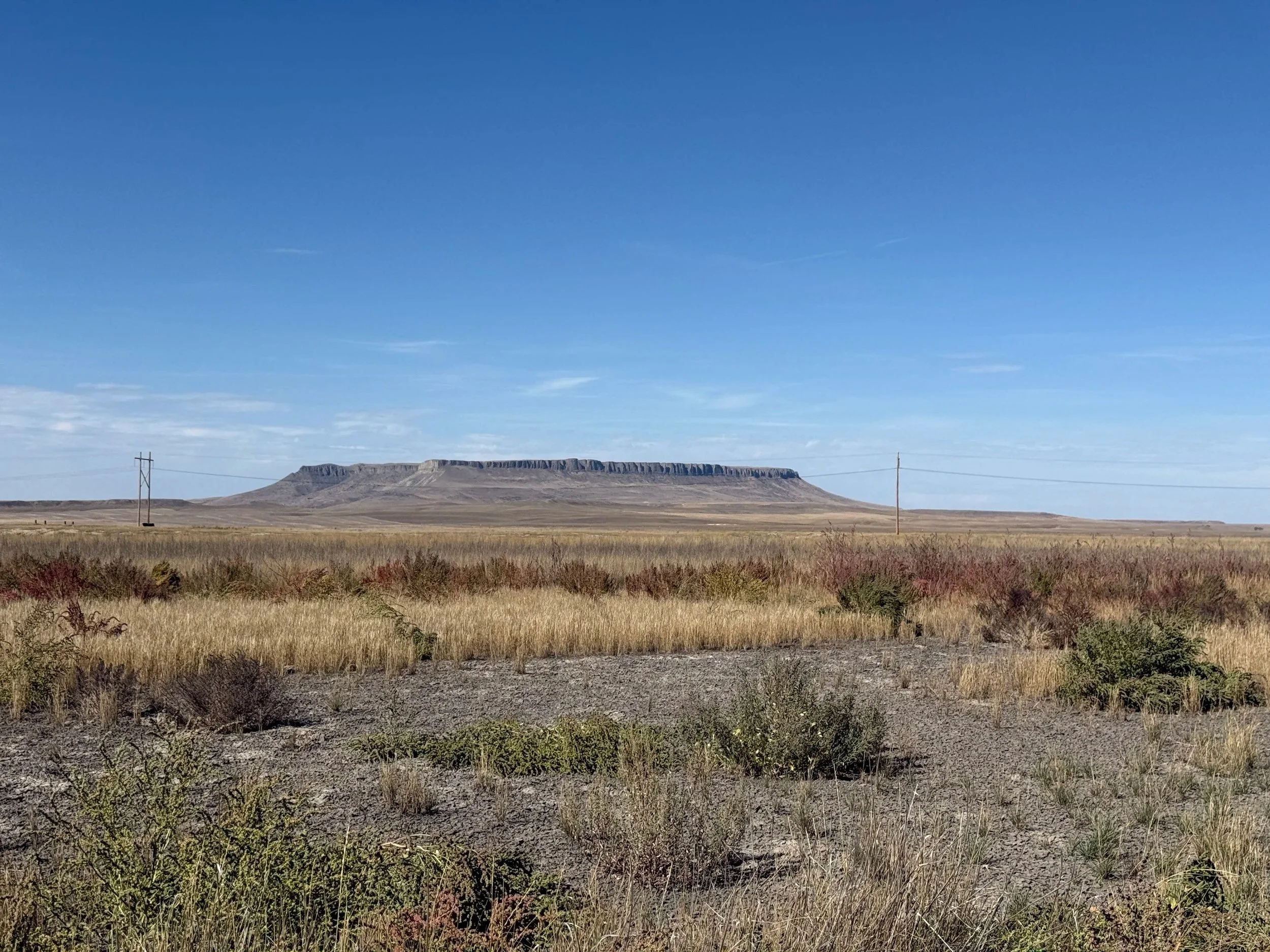
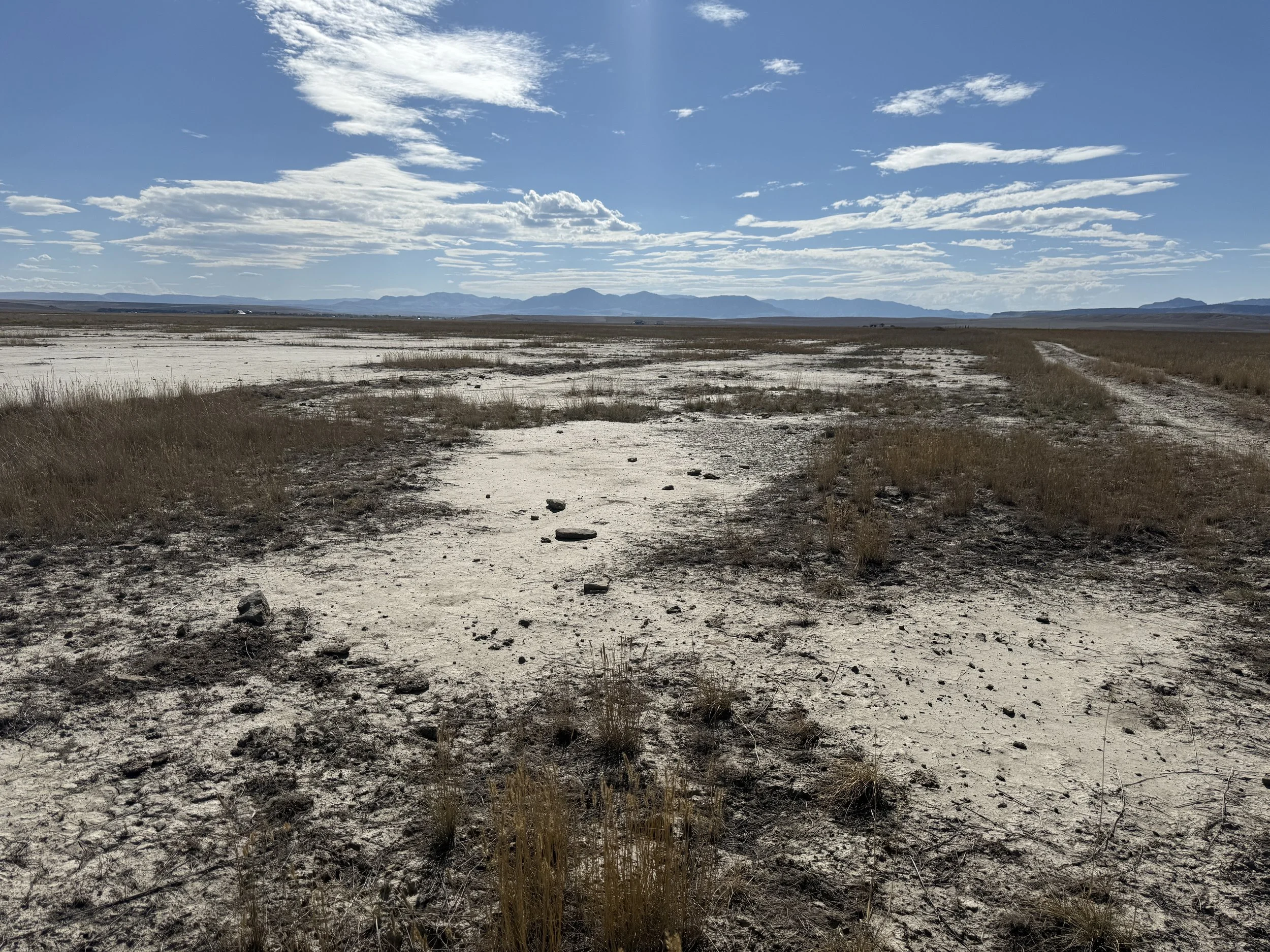
The Earth is our mother and the plants are her hair. We must treat them with respect, for they provide the medicine that heals the spirit and the body.
— Traditional Blackfeet (Niitsitapi) Wisdom