Guarding the Herd: Toxic Native Trees & Plants of Montana
When managing large-scale acreage (250+ acres), the health of the pasture is the health of the horse. While horses are generally selective eaters, drought, overgrazing, or simple curiosity can lead them to ingest dangerous plants.
Here are 14 native or common species in Montana that every rancher or horse enthusiast should be able to identify.
7 Toxic Trees to Watch For
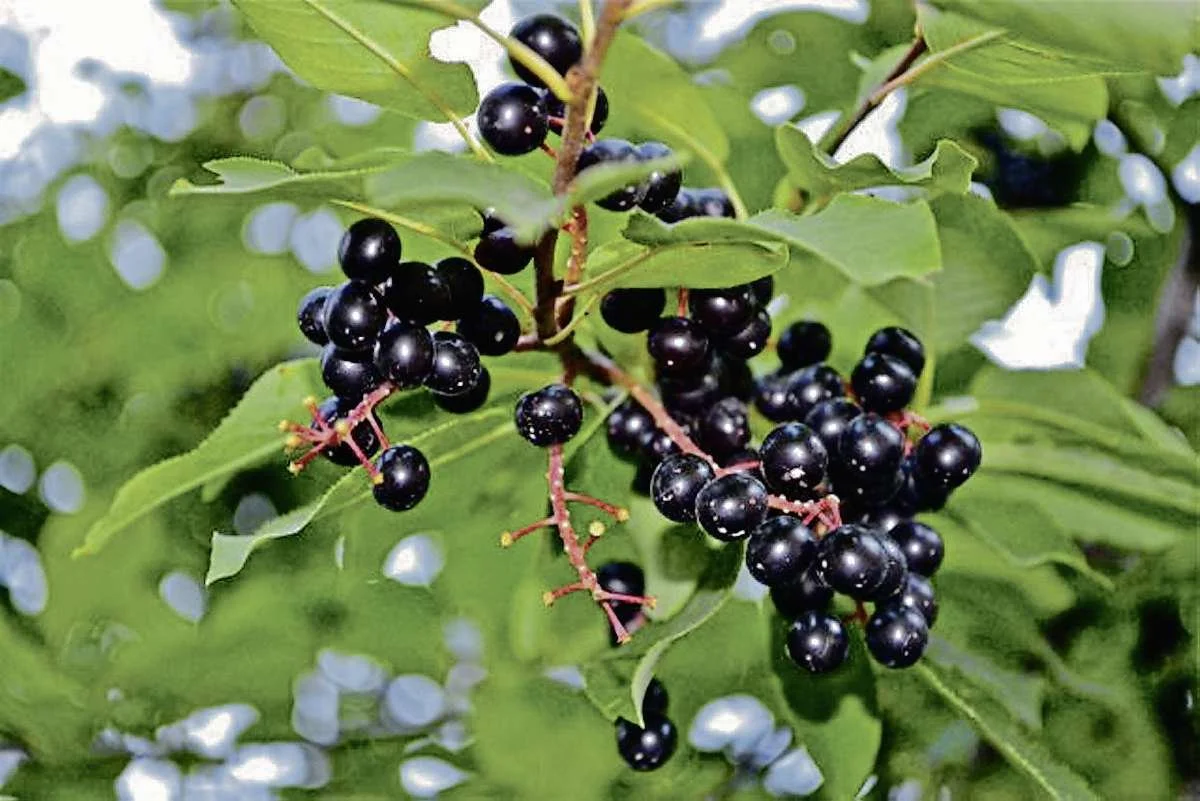
Chokecherry (Prunus virginiana)
Why it’s toxic: The leaves and bark contain cyanogenic glycosides. When the leaves wilt (after a frost or a branch break), they release cyanide, which prevents the horse’s blood from carrying oxygen.
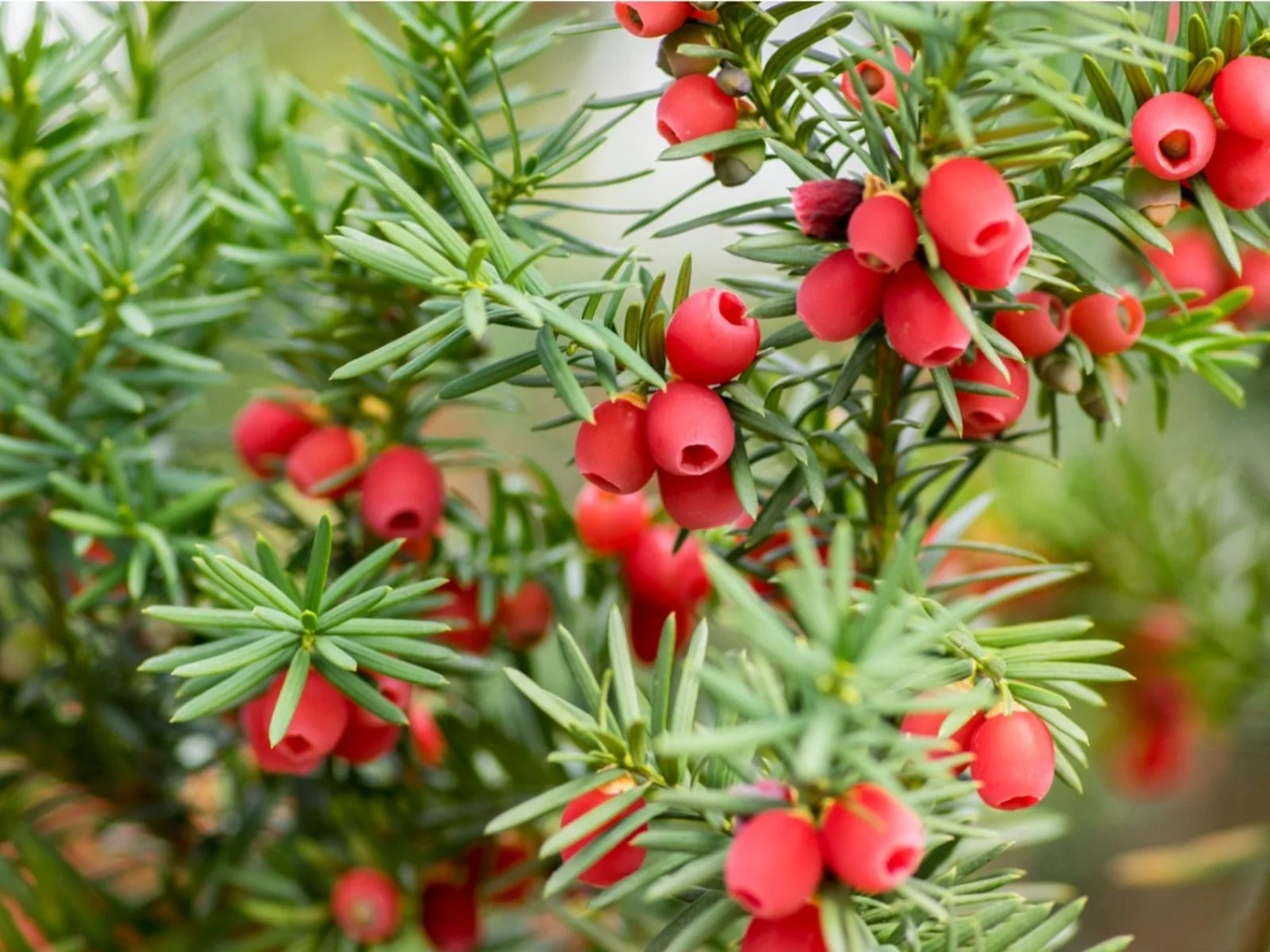
2. Western Yew (Taxus brevifolia)
Why it’s toxic: Western Yew is arguably the most "deadly" tree on the list to horses. It contains taxine alkaloids, which act directly on the heart. Ingestion of even a small amount (as little as a few ounces of needles) can cause sudden cardiac failure and death, often with no prior symptoms. It remains toxic even when the branches are cut and dried.
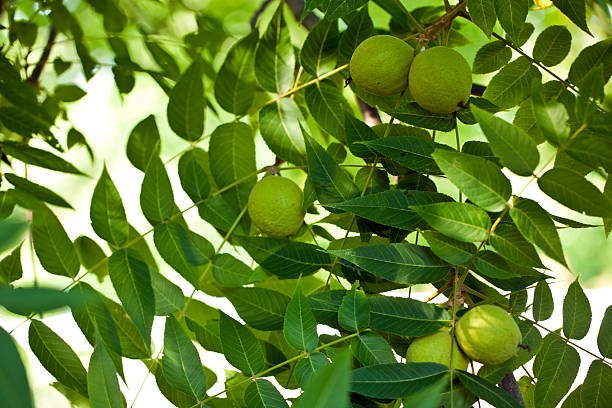
3. Black Walnut (Juglans nigra)
Why it’s toxic: Even if they don't eat it, the juglone in the wood and roots is highly toxic. Standing in black walnut shavings or sawdust can cause acute laminitis and severe founder in hours.
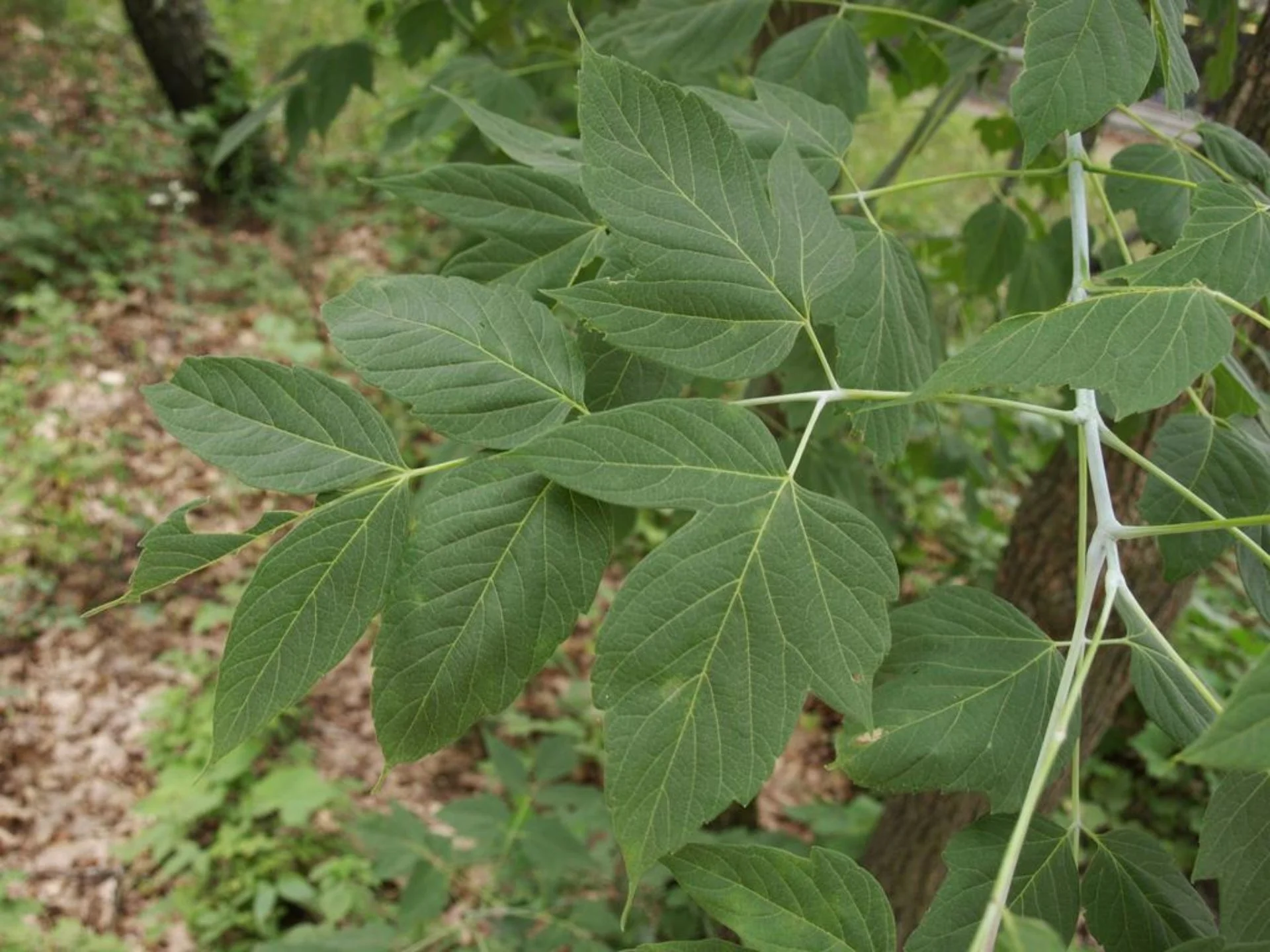
4. Boxelder Maple (Acer negundo)
Why it’s toxic: The seeds (especially in the fall) contain a toxin called HGA. If ingested, it causes "Seasonal Pasture Myopathy," a condition that destroys muscle tissue and can be fatal in up to 90% of cases.
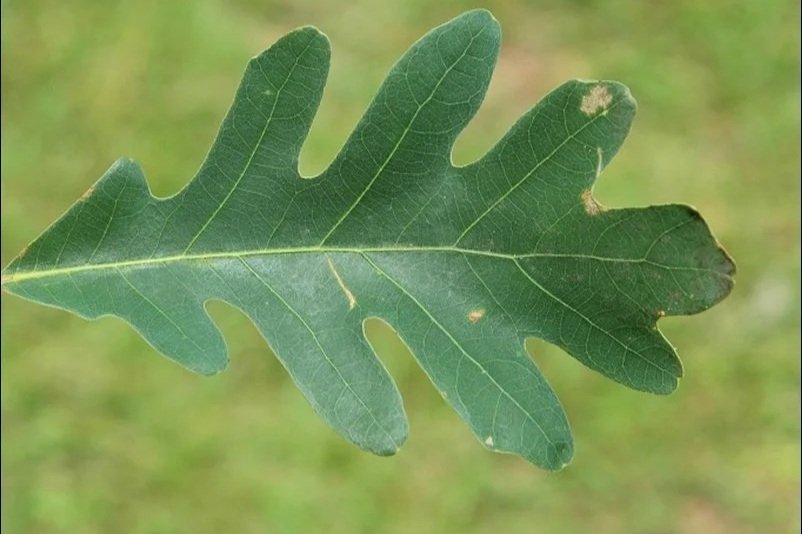
5. Oak (Quercus species)
Why it’s toxic: Acorns and young buds contain high levels of tannins. In large quantities, these damage the kidneys and digestive tract, leading to colic and potential organ failure.
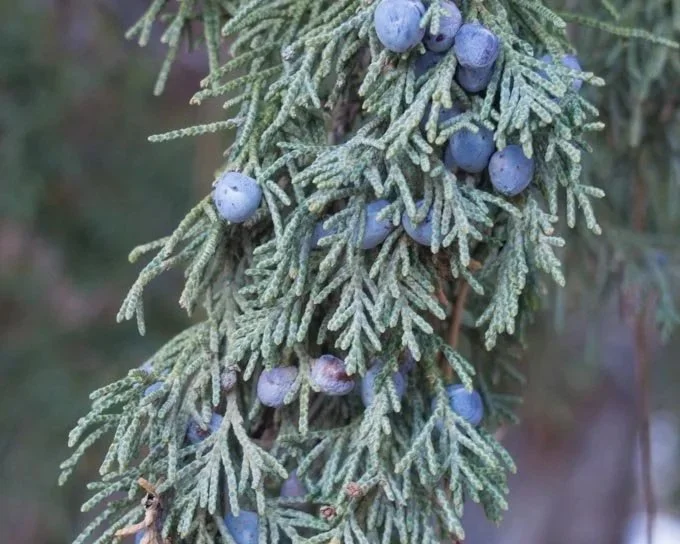
6. Rocky Mountain Juniper (Juniperus scopulorum)
Why it’s toxic: Similar to pines, the oils and resins can cause gastrointestinal irritation. More critically, they are known to cause miscarriages in pregnant livestock if consumed in quantity.
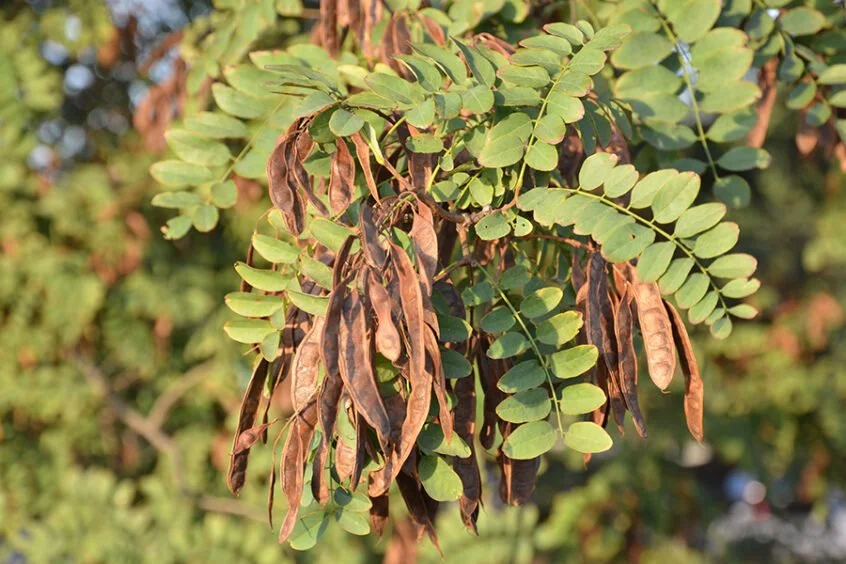
7. Black Locust (Robinia pseudoacacia)
Why it’s toxic: This tree is highly dangerous because every part of it—the bark, leaves, and seeds—contains toxic proteins called toxalbumins (robin and phasin). If a horse chews on the bark (common if they are bored or tied to the tree) or eats the wilted leaves, it can lead to severe gastrointestinal distress, specialized "laminitis" (different from the walnut kind), and even kidney failure.
Montana Context: While it’s technically an introduced species, it has become widely naturalized across Montana and is often used in windbreaks or as an ornamental tree on ranches because it grows so fast.
7 Toxic Plants to Identify
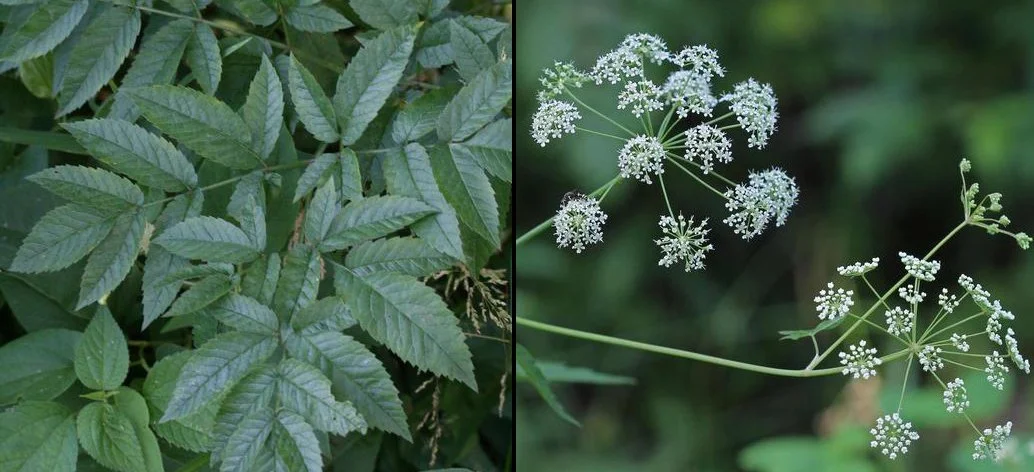
Extremely Toxic to BOTH humans and horses
Water Hemlock (Cicuta douglasii)
Why it’s toxic: Often called the "most violently toxic plant in North America." The toxin cicutoxin attacks the central nervous system. A single mouthful can cause violent seizures and death within minutes.
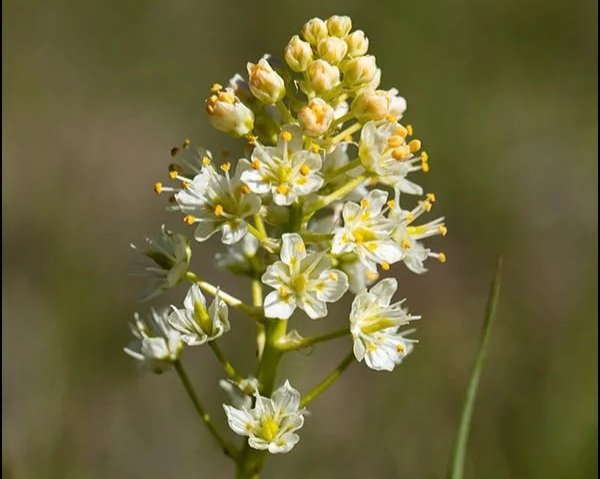
2. Death Camas (Zigadenus venenosus)
Why it’s toxic: These look like wild onions but contain steroidal alkaloids. They cause a dangerous drop in blood pressure and heart rate, leading to respiratory failure.
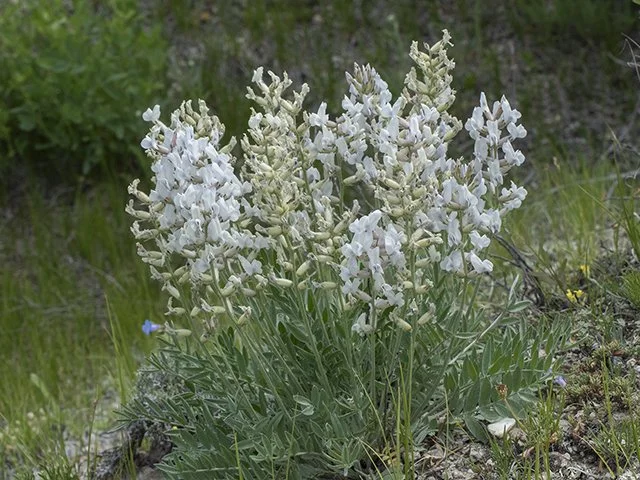
3. Locoweed (Astragalus and Oxytropis)
Why it’s toxic: Contains swainsonine, which interferes with cellular function. It is habit-forming (horses will seek it out like a drug), leading to "locoism"—erratic behavior, vision loss, and coordination failure.
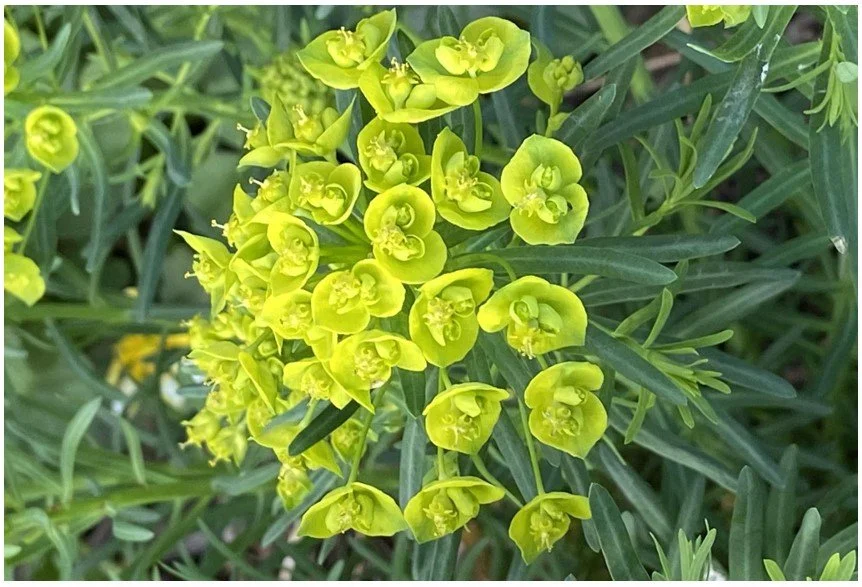
4. Leafy Spurge (Euphorbia esula)
Why it’s toxic: This invasive plant produces a milky sap that is a severe irritant. It causes blistering in the mouth and throat, and the inflammation can lead to severe colic.
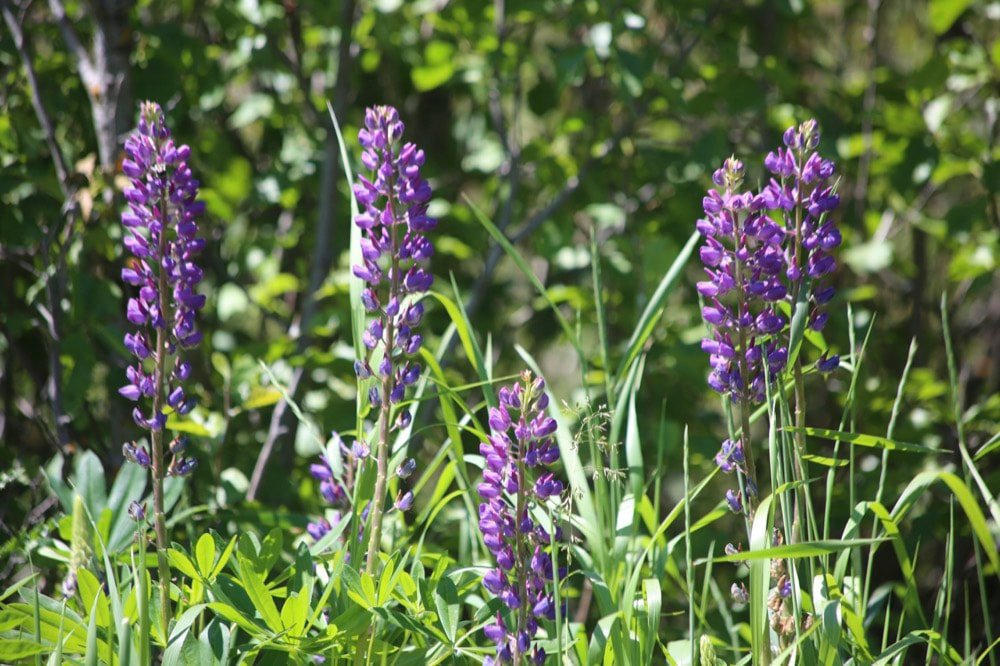
5. Lupine (Lupinus species)
Why it’s toxic: Contains quinolizidine alkaloids. While some species are fine, many native Montana varieties cause "crooked calf syndrome" in cattle and neurological distress/respiratory failure in horses.
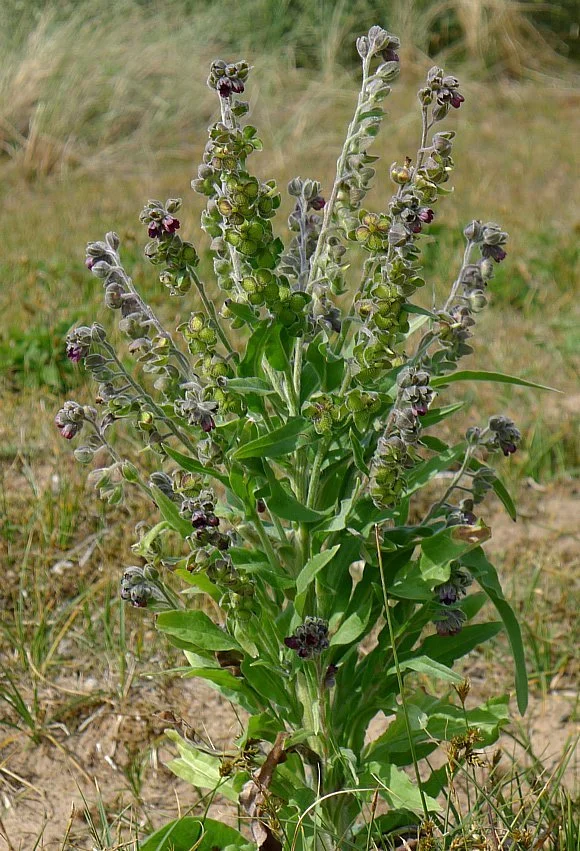
6. Houndstongue (Cynoglossum officinale)
Why it’s toxic: Contains pyrrolizidine alkaloids which cause irreversible liver damage. The danger is that the damage is cumulative—the horse gets sicker with every small bite over time.
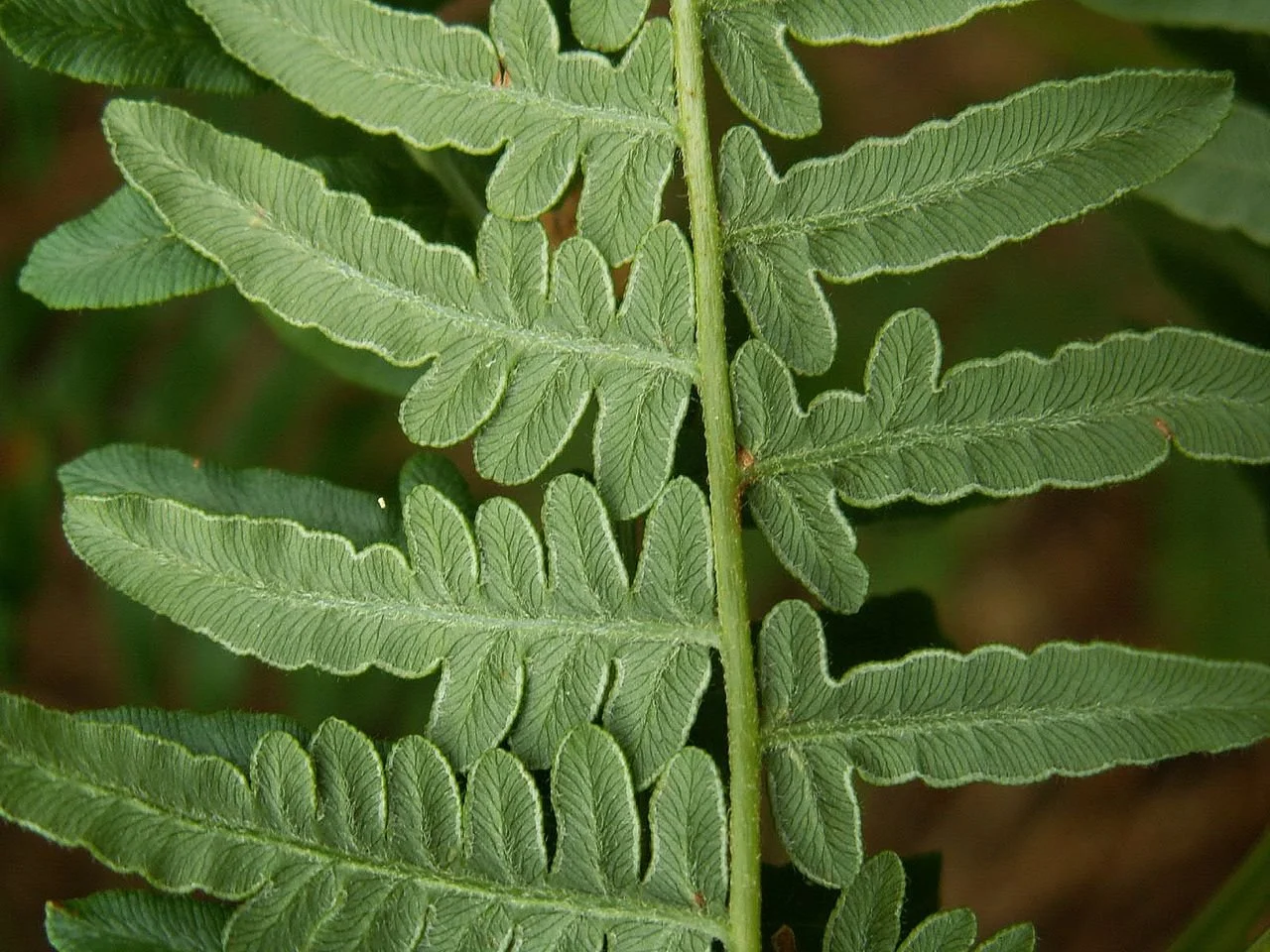
7. Western Bracken Fern (Pteridium aquilinum)
Why it’s toxic: Contains thiaminase, an enzyme that destroys Vitamin B1. Long-term ingestion leads to "bracken staggers," where the horse loses muscular coordination and may eventually collapse.
Our Commitment to the Land and the Herd
At Karma Ranch Sanctuary & Horse Rescue, we believe that true stewardship of the land means finding a harmonious balance between a thriving native ecosystem and the safety of our horses. Our commitment to securing 250+ acre parcels is rooted in the philosophy that "space is health"—large, diverse pastures allow horses to engage in their natural social behaviors while naturally avoiding toxic flora. However, being a responsible landowner means more than just letting things grow; it means actively curating our environment. We are dedicated to restoring the Montana landscape by planting non-toxic native species that provide shelter, prevent erosion, and nourish the soil, all while vigilantly identifying and managing the risks of toxic plants. By prioritizing the right native growth, we ensure that the land remains a sanctuary where both the ecosystem and the horse can truly flourish